
Inside this issue
Overview
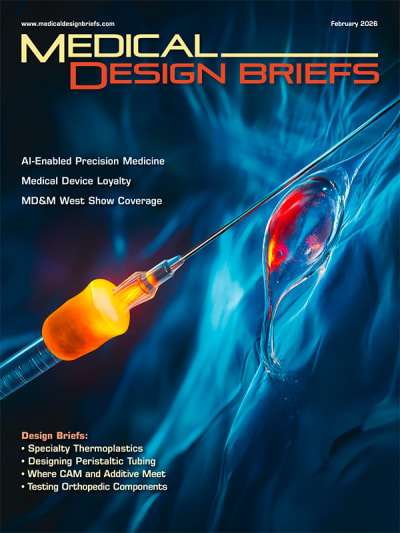
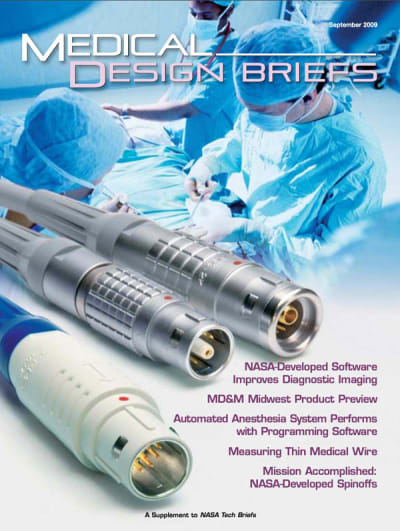
The September 2009 issue of Medical Design Briefs presents a comprehensive overview of innovations and advancements in the medical technology sector. This edition features a variety of articles that highlight cutting-edge developments, particularly those influenced by NASA technology, as well as new products and design considerations in medical devices.
Key Features and Innovations
-
NASA-Developed Software for Diagnostic Imaging: One of the standout features of this issue is an article discussing software developed by NASA that enhances diagnostic imaging. This software aims to improve the accuracy and efficiency of medical imaging techniques, which are crucial for diagnosing various health conditions. The integration of advanced algorithms and imaging technologies reflects a significant leap forward in medical diagnostics.
-
Automated Anesthesia Systems: Another highlight is the exploration of automated anesthesia systems that utilize sophisticated programming software. These systems are designed to enhance patient safety and streamline the anesthesia process during surgical procedures. By automating certain functions, these systems can reduce the risk of human error and improve overall surgical outcomes.
-
Measuring Thin Medical Wire: The issue also delves into the challenges of measuring thin medical wires, which are essential components in various medical devices. The article discusses innovative techniques and tools that can accurately measure these delicate wires, ensuring that they meet the stringent requirements for medical applications.
-
Mission Accomplished: NASA-Developed Spinoffs: A special section is dedicated to the spinoffs from NASA technology that have found applications in the medical field. This includes a range of products and systems that have been adapted from aerospace technology to improve healthcare delivery and patient outcomes.
Tech Briefs
The magazine includes several tech briefs that provide concise insights into new products and technologies:
-
Digital Wound Measurement and Tracking System: This system offers a modern approach to wound care, allowing for precise measurement and tracking of wound healing progress.
-
Micro-Organ Devices: These devices are designed for specific medical applications, showcasing the trend towards miniaturization in medical technology.
-
Multifunctional Electrosurgical Instruments: These instruments combine multiple functions into a single device, enhancing surgical efficiency and versatility.
Sensory Feedback Systems for Prosthetic Hands: This technology aims to provide users with sensory feedback, improving the functionality and user experience of prosthetic devices.
-
Remote Diagnostic Technology for Hearing Assessment: This innovation allows for remote assessments of hearing capabilities, making it easier for patients to receive timely evaluations.
-
Computer-Assisted Laser Treatment: This article discusses the use of real-time retinal tracking in laser treatments, which enhances precision and effectiveness in eye surgeries.
-
Nano-Pervaporation Membrane: This technology generates medical-grade water, highlighting advancements in materials science and its applications in healthcare.
-
Wireless Brain Implants: The issue also covers a groundbreaking wireless brain implant that utilizes a telemetric electrode array system, representing a significant advancement in neurotechnology.
New Products
The magazine features a section dedicated to new products in the medical field, including:
-
Test Connectors by FasTest: These miniature test connectors are designed for leak testing in medical devices, capable of sealing ultra-thin hypodermic and catheter tubing. Their ability to seal diameters as small as 0.015 inches makes them particularly valuable for infusion set and drug delivery devices.
-
LEMO USA's REDEL Connectors: These plastic precision medical connectors are lightweight, sterilizable, and include gold-plated contacts for electrical protection. They are used in disposable devices such as sensors and catheters, showcasing the importance of reliability and safety in medical device design.
Conclusion
The September 2009 issue of Medical Design Briefs serves as a vital resource for professionals in the medical technology field. It not only highlights the latest innovations and products but also emphasizes the importance of integrating advanced technologies, such as those developed by NASA, into medical applications. The articles and briefs provide valuable insights into the ongoing evolution of medical devices and systems, underscoring the commitment to improving patient care and outcomes through technological advancements.
This issue is a testament to the dynamic nature of the medical design industry, showcasing how interdisciplinary approaches can lead to significant breakthroughs in healthcare technology. Whether you are a designer, engineer, or healthcare professional, this edition offers a wealth of information to inspire and inform your work in the medical field.
Features
-
Mission Accomplished
Tech Briefs
-
Computer-Assisted Laser Treatment Using Real-Time Retinal Tracking
Medical Information Network Decision Support System
Quantifying Therapeutic and Diagnostic Efficacy in 2D Microvascular Images
Mulifunctional Electrosurgical Instrument
Sensory Feedback System for Prosthetic Hand Using Interferential Current
Remote Diagnostic Technology for Hearing Assessment
Three-Dimensional Near-Infrared Imaging of Pathophysiological Changes Within the Breast
Software Corrects for Inhomogeneities in Digital Radiographic Images
Nano-Pervaporation Membrane With Heat Exchanger Generates Medical-Grade Water
Wireless Brain Implant Using a Telemetric Electrode Array System