IoMT & Connectivity

Learn about the medical Internet of Things and "Big Data" best practices. See examples of today's many IoMT devices.

Stories

102,104,105
0
60
30
Briefs: Sensors/Data Acquisition
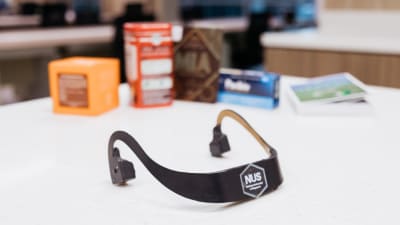
Beyond the use of this device for early detection of peptic ulcers, gastritis, and gastric cancers, there is potential to monitor brain health. How? Read on to find out.
Feature Image
From the Editor: AR/AI
AI is poised to make a major impact on the medtech market by enhancing precision in diagnostics, personalizing treatment plans, and streamlining manufacturing processes. Read on to find out what Editor and Director of Medical Content Sherrie Trigg thinks about the matter.
Feature Image
Podcasts: AR/AI
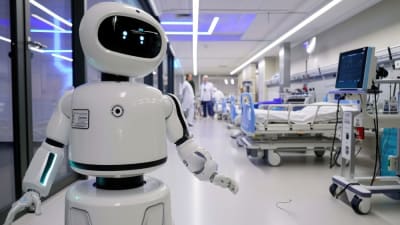
The ethical implications of integrating robots into healthcare, discussing topics such as patient trust, privacy concerns, and the balance between human and robotic interaction in caregiving.
Feature Image
Podcasts: Design
How robots are being utilized for tasks in clinics and hospitals, from delivering medications to managing inventory and performing tasks such as taking blood pressure.
Feature Image
Podcasts: AR/AI
Exploring advances and innovations in assistive robotics.
Feature Image
Podcasts: Design
Exploring how robotics are enhancing precision and minimizing invasiveness of surgical procedures.
Feature Image
Blog: Electronics & Computers
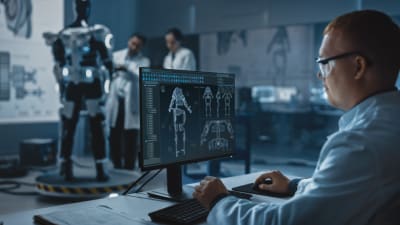
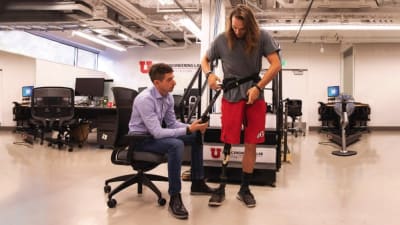
Researchers have demonstrated a new method that leverages artificial intelligence (AI) and computer simulations to train robotic exoskeletons to autonomously help users save energy while walking, running, and climbing stairs.
Feature Image
Products: Packaging & Sterilization
See the product of the month: Linxens' NFC tag that is integrated directly into the polymer matrix of the medical device.
Feature Image
R&D: Wearables
A team of engineers has invented a soft, thin, stretchy device measuring just over 1 sq in. that can be attached to the skin outside the throat to help people with dysfunctional vocal cords regain their voice function.
Feature Image
R&D: AR/AI
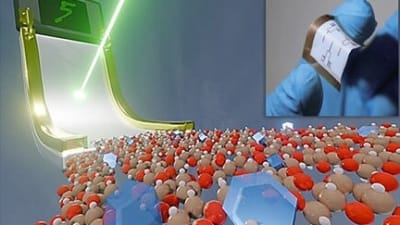
Researchers have created a flexible paper-based sensor that operates like the human brain. They fabricated a photo-electronic artificial synapse device composed of gold electrodes on top of a 10 μm transparent film consisting of zinc oxide nanoparticles and cellulose nanofibers.
Feature Image
From the Editor: Data Acquisition
Generative artificial intelligence (or genAI) is rapidly gaining traction in the healthcare and pharmaceutical domains, with substantial advancements helping to address pervasive issues in these industries.
Feature Image
Trivia: Medical
What miniaturized device introduced in less than 10 years ago led to significant advancements in cardiac rhythm management technology?
Feature Image
Podcasts: Medical
Exploring how AI algorithms analyze and interpret the data collected, leading to more accurate diagnostics and predictive insights.
Feature Image
News: AR/AI
A global digital event hosted by Zeiss will feature innovations, insights, and industry trends across multiple industries, including medtech. The event will be held April 15–19, with...
Feature Image
INSIDER: Connectivity
While pacemakers have been instrumental in treating many patients with heart rhythm disorders, their bulky design and dependence on wires can limit their usefulness and poses a risk of heart...
Feature Image
Features: Wearables
With the combined benefit of the unique components and the component manufacturers’ assistance, electronics designers can achieve their objective of developing a well-protected, efficient, wearable medical device. The end result is a much more reliable and robust product for the customers.
Feature Image
Briefs: IoMT
September 2023 marked the 10-year anniversary of the day the FDA’s Unique Device Identification (UDI) requirement first took effect. In that time, UDI went from an idea to a framework to a law; its GUDID database now uniquely identifies and holds data on more than 4 million medical devices and is the foundation for thousands of daily lookups and transactions.
Feature Image
INSIDER: AR/AI
A team of researchers has developed a wearable assistive device that helps people with visual impairment ‘see’ objects around them with the help of artificial intelligence (AI). AiSee...
Feature Image
Briefs: Medical
Developing assistive robots is a challenging research area, especially when integrating these systems into human environments such as homes and hospitals. To tackle these challenges, the Human-Machine Interaction & Innovation (HMI2) Lab at Santa Clara University is creating a versatile intelligent robot.
Feature Image
Events: Defense
Home How to Enter Terms & Conditions Meet the Judges Hall of Stars Sponsors   Platinum Sponsors See all sponsors The wait is over. We’re thrilled to announce the...
Feature Image
INSIDER: Medical
Over the past several years, manufacturers have grappled with fluctuating availability of electronic components paired with limited foundry capacity. As...
Feature Image
INSIDER: AR/AI
Wednesday, February 7 at 10:15 am, Jason Bean, IIoT market specialist at Pepperl+Fuchs, will address the emergence of custom GPTs and the role...
Feature Image
INSIDER: Connectivity
Ten years ago, the FDA’s Premarket Cybersecurity guidance was nine pages; today, the latest premarket guidance is 57 pages long and covers...
Feature Image
Features: Connectivity
As more organizations adopt the Internet of Medical Things (IoMT), their cybersecurity strategies must adapt. IoT risks are significant, but other new technologies — namely, blockchain — offer security solutions.
Feature Image
Features: Wearables
As industry navigates technological frontiers, the collective goal is to enhance patient experiences, streamline processes, and make healthcare more accessible and equitable. This article explores key emerging trends that are not only improving patient engagement but are also set to redefine the future of healthcare.
Feature Image
Videos of the Month: AR/AI
See the videos of the month, including one on a lightweight, motorized exoskeleton that can restore much of the sensation of walking with two healthy legs; one on a new method of brain stimulation that does not call for an implant; one on a device that combines wearable biosensors with AI software to help recognize what hand gesture a person intends to make; and more.
Feature Image
Briefs: Imaging
Royal Philips is integrating AI in its cardiac ultrasound devices and across cardiac care to help improve clinical confidence and increase efficiency. The portable Philips Ultrasound Compact System 5500 CV includes an AI-powered automation tool (the automated strain quantification) to assess the function of the heart’s left ventricle, a key indicator of heart health.
Feature Image
Briefs: Wearables
An international team of researchers has developed a handheld, noninvasive device that can detect biomarkers for Alzheimer’s and Parkinson’s diseases. The biosensor can also transmit the results wirelessly to a laptop or smartphone.
Feature Image
INSIDER: IoMT
Researchers have developed a protocol that enables a molecular network with multiple transmitters. The interface of computer science and biology —the Internet of Bio-Nano Things (IoBNT) —...
Feature Image

Ask the Expert

Eric Dietsch on the Benefits of Nitinol Wire

Feature Image

In collaboration with the Fort Wayne Metals Engineering team, Eric Dietsch focuses on supporting customers with material recommendations, product development, and education. Eric is available to help you and your company with any Nitinol-related questions or needs that you may have.

Inside Story

Inside Story: Trends in Packaging and Sterilization

Feature Image

Eurofins Medical Device Testing (MDT) provides a full scope of testing services. In this interview, Eurofins’ experts, Sunny Modi, PhD, Director of Package Testing; and Elizabeth Sydnor, Director of Microbiology; answer common questions on medical device packaging and sterilization.

Videos