Features

R&D

-1
90
30
R&D: Electronics & Computers
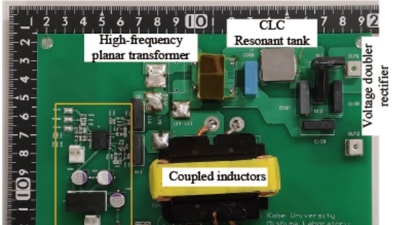
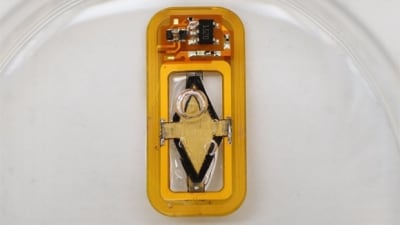
A new electrical power converter design achieves a much higher efficiency at lower cost and maintenance than before. The direct current voltage boost converter is poised to be a significant contribution to the further development of improved electric and electronic components for healthcare devices.
Feature Image
R&D: AR/AI
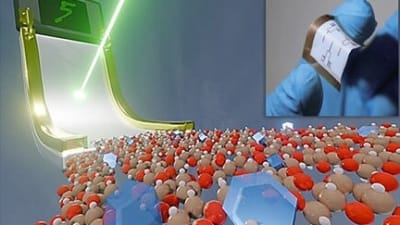
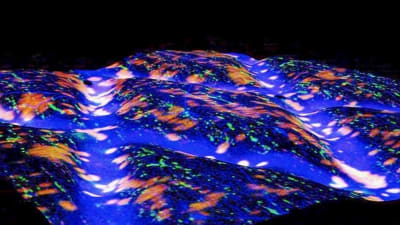
Researchers have created a flexible paper-based sensor that operates like the human brain. They fabricated a photo-electronic artificial synapse device composed of gold electrodes on top of a 10 μm transparent film consisting of zinc oxide nanoparticles and cellulose nanofibers.
Feature Image
R&D: Medical
A small ultrasound sticker can monitor the stiffness of organs deep inside the body. The sticker, about the size of a postage stamp, can be worn on the skin and is designed to pick up on signs of disease, such as liver and kidney failure and the progression of solid tumors.
Feature Image
R&D: Medical
Researchers have created a new technique to treat Type 1 diabetes: implanting a device inside a pocket under the skin that can secrete insulin while avoiding the immunosuppression that...
Feature Image
R&D: Medical
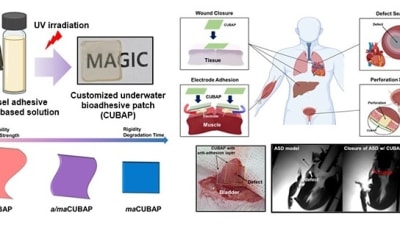
A team has developed medical adhesives that are not only safe for human use but also customizable for different organs. The researchers used mussel-derived adhesive proteins to develop customized...
Feature Image
R&D: Sensors/Data Acquisition
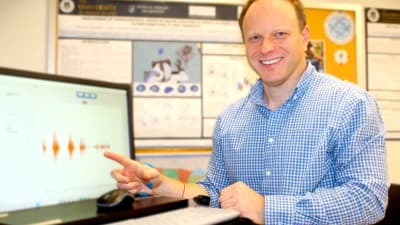
Researchers have developed a sensor that utilizes energy from sound waves to control electronic devices. This could one day save millions of batteries.
Feature Image
R&D: Medical
A neural implant provides information about activity deep inside the brain while sitting on its surface. The implant is made up of a thin, transparent, and flexible polymer strip that is packed with a dense array of...
Feature Image
R&D: Wearables
Researchers have developed a biomimetic scaffold that generates electrical signals upon the application of pressure by utilizing the unique osteogenic ability of hydroxyapatite (HAp). HAp is...
Feature Image
R&D: Wearables
A wearable ultrasound system can produce clinically relevant information about muscle function during dynamic physical activity. When an individual is performing a specific exercise for...
Feature Image
R&D: Materials
Researchers have created electrostatic materials that function even with extremely weak ultrasound, heralding the era of permanent implantable electronic devices in biomedicine.
Feature Image
R&D: Medical
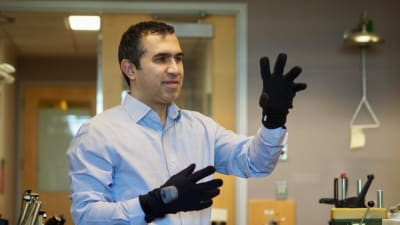
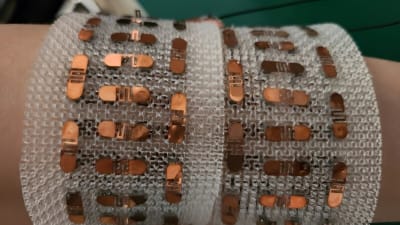
A new washable wireless smart textile technology has potential uses in virtual reality and American Sign Language. The glove incorporates a sophisticated network of highly sensitive sensor yarns and pressure sensors.
Feature Image
R&D: Medical
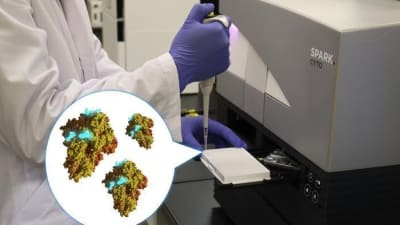
Researchers have developed a potential COVID-19 test inspired by bioluminescence. Using a molecule found in crustaceans, they have created a rapid approach that detects SARS-CoV-2 protein comparably to one used in vaccine research.
Feature Image
R&D: Mechanical & Fluid Systems
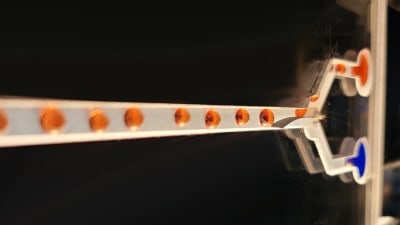
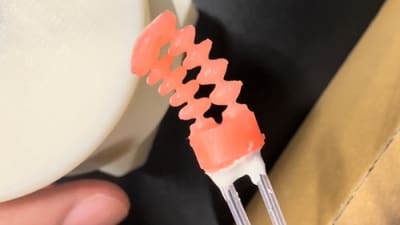
Researchers have developed a fluid switch using ionic polymer artificial muscles that operates at ultra-low power and produces a force 34 times greater than its weight. Fluid switches control fluid flow, causing the fluid to flow in a specific direction to invoke various movements.
Feature Image
R&D: Robotics, Automation & Control
An assistive planar robot includes a cutting-edge closed-loop feedback system to monitor the muscle and brain activity of the user in order to trigger the execution of reach and grab in an adaptive way.
Feature Image
R&D: Energy
A team has developed a technology that can increase the flexibility and efficiency of a thermoelectric generator to the world’s highest level by using mechanical metamaterials that do not exist in nature.
Feature Image
R&D: Medical
A tactile perception system provides human-like multimodal tactile information to objects like robots and wearable devices that require tactile data in real time.
Feature Image
R&D: Medical
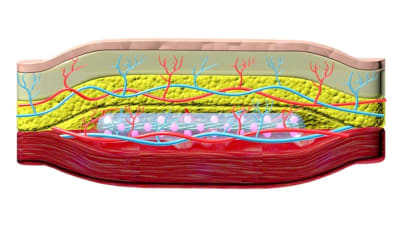
Researchers have developed an implantable device that could provide a long-term supply of insulin to the body. The implant was designed to shield insulin-producing, or islet, cells from damaging immune responses, while continuously generating oxygen to sustain them.
Feature Image
R&D: Sensors/Data Acquisition
Researchers have developed a sensor that can perceive combinations of bending, stretching, compression, and temperature changes, all using a robust system that boils down to a simple concept: color.
Feature Image
R&D: Materials
A single strand of fiber has the flexibility of cotton and the electric conductivity of a polymer, called polyaniline. The newly developed material showed good potential for wearable e-textiles. Researchers tested the fibers with a system that powered an LED light and another that sensed ammonia gas.
Feature Image
R&D: Sensors/Data Acquisition
Researchers have designed a lightweight helmet with tiny LEGO-size sensors that scan the brain while a person moves. The helmet is the first of its kind to accurately record magnetic fields generated by brain activity while people are in motion.
Feature Image
R&D: Medical
The tension-activated repair patches (TARPs) provide controlled release of an anti-inflammatory molecule called anakinra from microcapsules over time, which helped discs in a large animal model regain the tension they need to reverse herniation and prevent further degeneration.
Feature Image
R&D: Medical
Scaffold insertion also appeared to be as safe as angioplasty, in terms of procedure-related complications.
Feature Image
R&D: Medical
Researchers have laid the groundwork for a soft robotic tool and control system that could grant surgeons an unprecedented degree of maneuverability within the brain.
Feature Image
R&D: Materials
Instead of using toxic chemicals or optical masks for patterning, a research team used laser direct patterning technology to form laser-induced graphene (LIG) on e-textiles and successfully manufactured graphene-based e-textiles.
Feature Image
R&D: Medical
Researchers have invented sensor-based noninvasive medical devices to make the monitoring and treatment of certain physiological and psychological conditions timelier and more precise.
Feature Image
R&D: Wearables
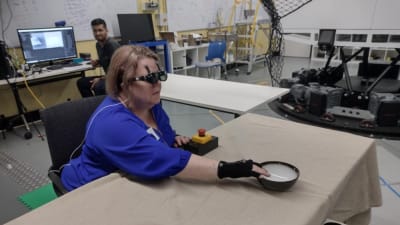
A cutting-edge technology known as acoustic touch helps people see using sound. The technology has the potential to transform the lives of those who are blind or have low vision.
Feature Image
R&D: Manufacturing & Prototyping
A microprinter can print piezoelectric films 100 times faster for the production of MEMS for sensors, wearable, or implantable medical devices, offering the possibility to lower the mass production costs.
Feature Image
R&D: Medical
A hydrogel-based delivery system balances the acidic environment in a tumor and greatly enhances the cancer-fighting activity of the chemotherapeutic drug it encapsulates in lab experiments.
Feature Image
R&D: Medical
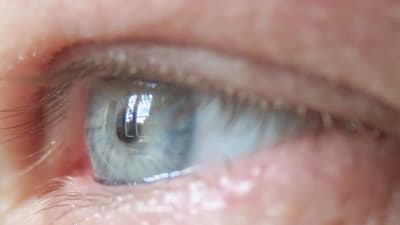
A microscale device for implantation in the eye presents new opportunities for cell-based treatment of diabetes and other diseases. The 3D printed device aims to encapsulate insulin-producing pancreatic cells and electronic sensors.
Feature Image

Ask the Expert

Dan Sanchez on How to Improve Extruded Components

Feature Image

Improving extruded components requires careful attention to a number of factors, including dimensional tolerance, material selection, and processing. Trelleborg’s Dan Sanchez provides detailed insights into each of these considerations to help you advance your device innovations while reducing costs and speeding time to market.

Inside Story

Inside Story: Trends in Packaging and Sterilization

Feature Image

Eurofins Medical Device Testing (MDT) provides a full scope of testing services. In this interview, Eurofins’ experts, Sunny Modi, PhD, Director of Package Testing; and Elizabeth Sydnor, Director of Microbiology; answer common questions on medical device packaging and sterilization.

Videos