
Inside this issue
Overview
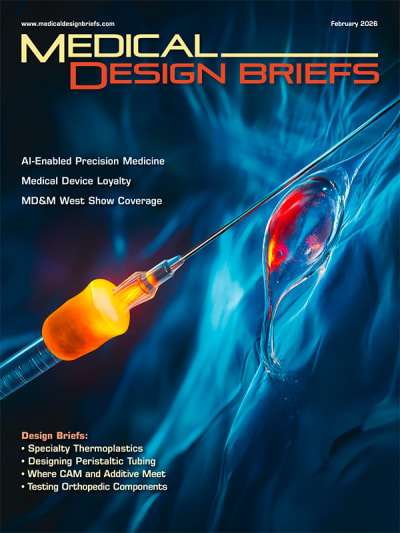
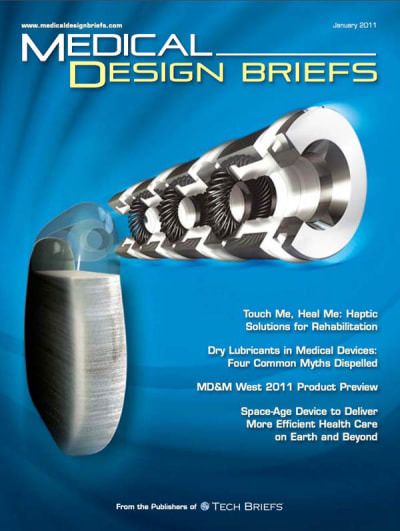
The January 2011 issue of Medical Design Briefs marks a significant moment as the magazine transitions to a standalone publication, continuing its mission to inform and inspire the engineering community involved in the design of medical devices, instruments, and systems. This issue features a variety of articles and technical briefs that highlight innovative technologies and solutions in the medical field.
Key Features
-
Haptic Solutions for Rehabilitation: The feature article titled "Touch Me, Heal Me: Haptic Solutions for Rehabilitation" explores the integration of haptic technology in rehabilitation practices. Haptic feedback, which simulates the sense of touch, is becoming increasingly important in therapeutic devices, allowing patients to receive tactile feedback during their rehabilitation exercises. This technology aims to enhance patient engagement and improve recovery outcomes by providing a more intuitive interaction with rehabilitation devices.
-
Dry Lubricants in Medical Devices: Another significant article, "Dry Lubricants in Medical Devices: Four Common Myths Dispelled," addresses misconceptions surrounding the use of dry lubricants in medical applications. The article clarifies the benefits of dry lubricants, such as their ability to reduce friction and wear in devices without the mess associated with traditional lubricants. It emphasizes the importance of selecting the right lubricant to ensure device reliability and performance.
-
Innovative Medical Technologies: The issue includes several technical briefs that showcase cutting-edge technologies:
- Positioning Technology for Digital Displays: This brief discusses advancements in positioning technology that enhance the usability of digital displays in mobile medical equipment, improving accessibility for healthcare providers.
- Implantable Contact System: A new implantable contact system designed for medical pulse generation devices is introduced, highlighting its potential for improving the functionality of implantable devices.
- Dynamic Optical Phantom: The development of a dynamic optical phantom that simulates a living body is presented, which can be used for testing and calibrating medical imaging systems.
- Self-Assembling Hydrophobin: This brief discusses a self-assembling hydrophobin that can be used for coating surfaces, potentially improving the performance of medical devices by enhancing biocompatibility.
- Advanced Data Analysis for Resistance Weld Monitoring: This technology focuses on improving the monitoring of resistance welding processes, which are critical in the manufacturing of medical devices.
MD&M West Exhibitors Spotlight: The magazine features a spotlight on exhibitors from the MD&M West 2011 event, showcasing the latest products and innovations in the medical device industry. This section provides insights into emerging trends and technologies that are shaping the future of medical design.
-
New Products: A dedicated section highlights new products entering the market, providing readers with a glimpse of the latest innovations that can enhance medical practice and patient care. This includes a variety of devices and technologies aimed at improving efficiency and effectiveness in healthcare settings.
Editorial Insights
In her editor's note, Emily Chang reflects on the magazine's evolution and its commitment to delivering valuable content to the engineering community. She emphasizes the importance of staying informed about the latest advancements in medical technology, which can significantly impact the design and functionality of medical devices.
Conclusion
The January 2011 issue of Medical Design Briefs serves as a comprehensive resource for professionals in the medical device industry. With its focus on innovative technologies, practical solutions, and insights into emerging trends, the magazine aims to equip engineers and designers with the knowledge they need to create effective and reliable medical devices. As the publication continues to evolve, it remains dedicated to fostering a community of informed professionals who are shaping the future of healthcare technology.
This issue not only highlights the advancements in medical design but also reinforces the importance of collaboration and knowledge sharing within the engineering community, ensuring that the design of tomorrow's medical devices is informed by the best practices and latest innovations available.
Features
-
Articles
Touch Me, Heal Me: Haptic Solutions for Rehabilitation
Dry Lubricants in Medical Devices: Four Common Myths Dispelled
-
Mission Accomplished
Math Software to Help Plan Astronaut, Shift Worker Schedules
Space-Age Device to Deliver More Efficient Health Care on Earth and Beyond
NASA-Developed Image Segmentation Algorithm Helps Interpret Medical Imagery
Tech Briefs
-
Positioning Technology for Digital Displays on Mobile Medical Equipment
Implantable Contact System for Medical Pulse Generation Devices
Dynamic Optical Phantom of a Living Body and Method for Producing It
Self-Assembling Hydrophobin Useful for Coating Surfaces
Advanced Data Analysis for Resistance Weld Monitoring
GigE-Vision®-Compliant Receivers for the Networked Operating Room
Products
-
Multi-Axis Force/Torque Sensing Systems
Custom Precision Rubber, TPE, and Plastic Molding Services
Fluid Pumping Solutions for the Medical OEM
Balloon Manufacturing & Extruded Balloon Tubing
Advance Design, Quality Electronic Interconnects & Hardware for Medical Use
Miniature Fluid Control Components for Automated Liquid Handling
REDEL® XP, Enabling New Connections
CNC Machined and Injection Molded Parts
Sensirion, the Sensor Company: Your Experts in Flow and Humidity!
VisionGauge® Digital Optical Comparator (Patent Pending)
STEUTE ... Specialists in Foot-Operated Controls for Medical Devices