
Inside this issue
Overview
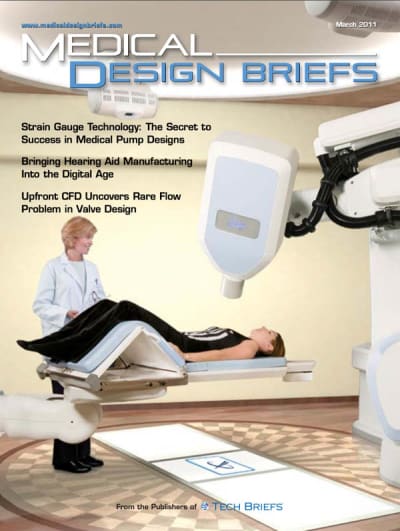
The March 2011 issue of Medical Design Briefs presents a comprehensive exploration of innovations and advancements in the medical device industry, focusing on the critical role of design engineering in creating effective medical solutions. This issue emphasizes the importance of specialized design in medical equipment, particularly in the context of medical-grade foot controls, which are essential for various medical applications.
Key Highlights:
-
Innovative Design Engineering: The magazine calls upon design engineers to share their product ideas, highlighting the potential for innovation to generate new jobs, improve health outcomes, enhance sustainability, and increase safety in transportation and security. The message is clear: the future of medical technology relies on creative and forward-thinking design.
-
Medical-Grade Foot Controls: A significant feature of this issue is the focus on medical-grade foot controls. These devices are crucial for ensuring precision and safety in medical procedures. The article discusses the unique requirements for these controls, including durability, reliability, and ease of use, which are paramount in a medical setting. The emphasis is on how tailored solutions can enhance user experience and operational efficiency.
-
Strain Gauge Technology: Another highlight is the exploration of strain gauge technology, which is pivotal in the design of medical pumps. The article delves into how this technology can improve the accuracy and reliability of medical devices, ultimately leading to better patient outcomes. The integration of advanced sensing technologies is presented as a key factor in the evolution of medical equipment.
Digital Advancements in Hearing Aids: The issue also addresses the transformation of hearing aid manufacturing through digital technologies. It discusses how digital advancements are revolutionizing the design and functionality of hearing aids, making them more effective and user-friendly. This shift not only enhances the user experience but also opens new avenues for customization and personalization in medical devices.
-
Computational Fluid Dynamics (CFD): The magazine features an article on the application of computational fluid dynamics (CFD) in uncovering rare flow problems in valve design. This technology is essential for optimizing the performance of medical devices that rely on fluid dynamics, such as pumps and valves. The insights gained from CFD simulations can lead to significant improvements in device design and functionality.
-
UV Curing Solutions: The issue highlights UV curing solutions provided by OmniCure, which offer advanced light-based curing processes for assembly manufacturers. The introduction of new UV LED heads and light meters is discussed, emphasizing their role in ensuring consistent and accurate curing processes. This technology is crucial for enhancing the quality and reliability of medical device manufacturing.
-
Resources and Literature: The magazine provides readers with access to free catalogs and literature relevant to medical design, encouraging further exploration of the topics discussed. This resource section is designed to support professionals in the field by offering additional information and tools to aid in their design processes.
-
Editorial Insights: The editorial team, led by Joseph T. Pramberger and Linda L. Bell, provides insights into the current trends and challenges facing the medical design industry. Their commentary underscores the importance of collaboration between engineers, manufacturers, and healthcare professionals to drive innovation and improve patient care.
In summary, the March 2011 issue of Medical Design Briefs serves as a vital resource for design engineers and medical device manufacturers. It highlights the significance of innovative design in enhancing the functionality and safety of medical equipment. By focusing on specialized applications such as medical-grade foot controls, strain gauge technology, and digital advancements in hearing aids, the magazine illustrates the dynamic nature of the medical device industry. The inclusion of cutting-edge technologies like CFD and UV curing solutions further emphasizes the ongoing evolution of medical design, making this issue a must-read for professionals seeking to stay at the forefront of medical technology advancements.
Features
-
Applications
Bringing Hearing Aid Manufacturing Into the Digital Age
Upfront CFD Uncovers Rare Flow Problem in Medical Respirator Valve Design
-
Mission Accomplished
NASA Water Purification Improves Dental Care
New Modular Camera No Ordinary Joe
Futuristic ‘Venus Prototype’ Offers Noninvasive Monitoring in Space and on Earth
Tech Briefs
-
Biomedical Textile Material Selection and Performance Considerations in Device Design
SCAFTEX® Non-Woven Bio-Textile for Implantable Devices
Stereotactic System for Localizing Intracranial Targets
Microwave Tissue Soldering for Immediate Wound Closure
CyberKnife® Robotic Radiosurgery System Offers Precise, Customizable Care