
The rapid ascent of pulsed field ablation (PFA) devices in the electrophysiology landscape has been a standout development in cardiovascular medicine over the past several years. But as these technologies gain clinical traction, they now face a different kind of obstacle. According to a report from GlobalData, just as the U.S. market for PFA systems begins to reach critical mass, tariffs on imported devices and components threaten to upend supply chains, inflate costs, and potentially slow adoption.
PFA, a nonthermal ablation technique that selectively targets cardiac tissue while sparing nearby structures, promises shorter procedure times, reduced complications, and improved patient outcomes. Systems like Boston Scientific’s FARAPULSE, Medtronic’s PulseSelect, and Johnson & Johnson’s VARIPULSE have been hailed as breakthroughs, often replacing thermal ablation systems outright. The 2024 U.S. market for PFA is estimated at $535.9 million and had been projected to grow at a robust 31.65 percent CAGR over the next decade.
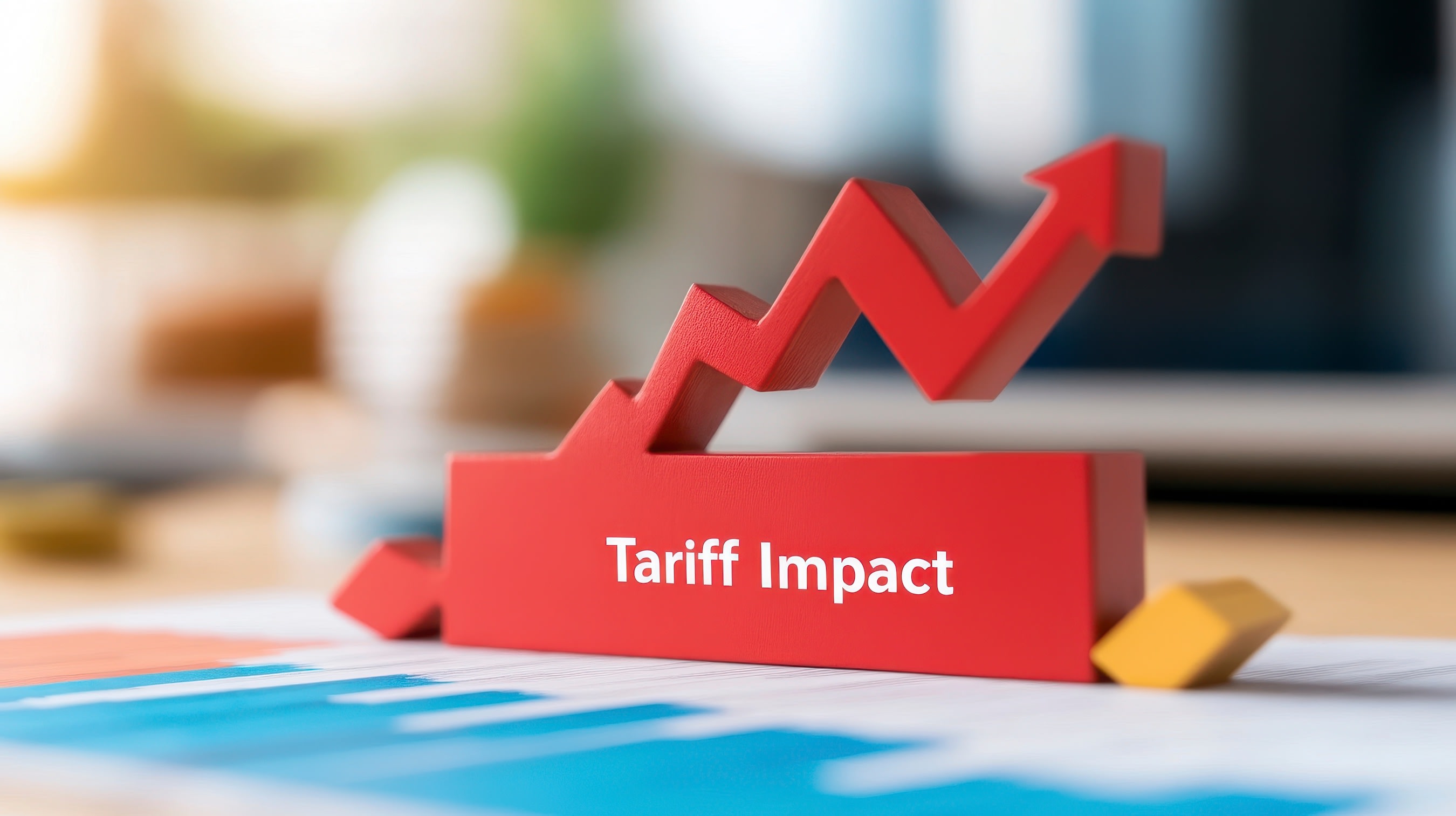
David Beauchamp, a medical analyst at GlobalData, notes that tariffs could significantly dampen that momentum. The very nature of globalized medical manufacturing means that punitive trade policies could reverberate throughout the value chain. With many PFA devices manufactured abroad for efficiency and access to advanced materials, new import costs could leave manufacturers with limited options: absorb the tariff hit or pass those costs along to hospitals and health systems already grappling with tightening budgets.
For medical device OEMs, strategic planning must now incorporate tariff risk alongside traditional product development and regulatory timelines. Companies may need to reevaluate supply chains, consider nearshoring or reshoring options, and increase investments in U.S.-based component manufacturing — moves that may yield long-term resilience but could stall short-term growth.
Tariff uncertainty adds another layer of complexity to an already fragmented global regulatory environment. With PFA currently approved in only a handful of markets, the U.S. remains critical to commercial viability. Any disruption in pricing or availability could incentivize providers to revert to older, more affordable ablation options, eroding the hard-won market share of newer systems.
For OEMs navigating the cardiovascular space, the current environment demands a balance of technical excellence and geopolitical awareness.
Sherrie Trigg
Editor and Director of Medical Content