
Inside this issue
Overview
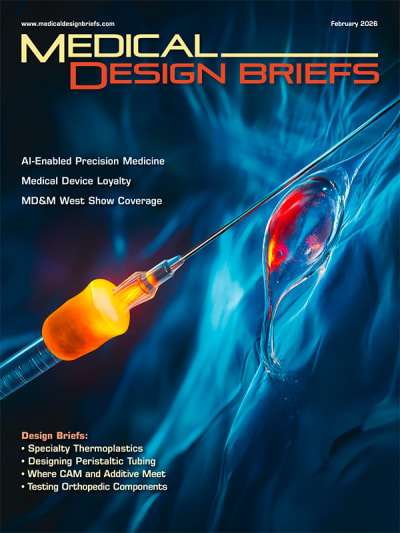
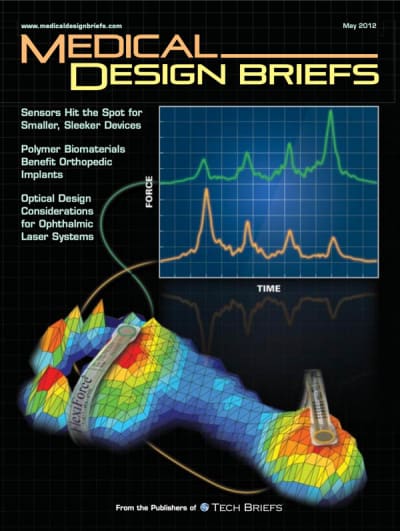
The May 2012 issue of Medical Design Briefs presents a comprehensive exploration of advancements and innovations in the medical device industry. This edition is particularly focused on the integration of technology in medical applications, highlighting how various engineering disciplines contribute to the development of more effective and efficient medical devices.
Key Highlights:
-
Sensors for Smaller, Sleeker Devices: The issue opens with an article discussing the role of sensors in the miniaturization of medical devices. As the demand for compact and portable medical solutions increases, sensors are becoming crucial in enabling smaller devices without compromising functionality. The article emphasizes the importance of precision and reliability in sensor technology, which is essential for monitoring patient health and delivering timely interventions.
-
Polymer Biomaterials in Orthopedic Implants: Another significant feature is the exploration of polymer biomaterials and their benefits in orthopedic implants. The article details how these materials can enhance the biocompatibility and longevity of implants, reducing the risk of rejection and complications. The use of advanced polymers allows for better integration with bone tissue, leading to improved patient outcomes. This section also discusses ongoing research and development efforts aimed at optimizing these materials for various orthopedic applications.
-
Optical Design Considerations for Ophthalmic Laser Systems: The magazine also delves into the optical design considerations necessary for developing effective ophthalmic laser systems. This article outlines the critical factors that engineers must consider, such as wavelength selection, beam quality, and system efficiency. The advancements in laser technology are paving the way for more precise and less invasive treatments for eye conditions, significantly improving patient care.
-
Mojo 3D Printer: A standout feature of this issue is the introduction of the Mojo 3D Printer, which is designed to facilitate rapid prototyping in medical device development. The article highlights how this technology allows engineers and designers to create physical models of their concepts quickly, enabling faster iterations and refinements. The Mojo 3D Printer represents a significant leap forward in the design process, making it easier for teams to visualize and test their ideas before moving to production.
Regulatory Considerations: The issue also addresses the regulatory landscape surrounding medical devices. Understanding the complexities of compliance with FDA regulations is crucial for manufacturers. The article provides insights into the approval process and the importance of thorough documentation and testing to ensure safety and efficacy. This section serves as a valuable resource for companies navigating the regulatory environment.
-
Emerging Technologies: The magazine features a section on emerging technologies that are set to transform the medical device industry. Innovations such as wearable health monitors, telemedicine solutions, and advanced imaging techniques are discussed. These technologies not only enhance patient monitoring and care but also improve accessibility to healthcare services, particularly in remote areas.
-
Interviews and Expert Opinions: Throughout the issue, readers will find interviews with industry experts and thought leaders who share their insights on current trends and future directions in medical design. These perspectives provide a deeper understanding of the challenges and opportunities facing the industry, as well as the importance of collaboration between engineers, clinicians, and regulatory bodies.
-
Case Studies: The magazine includes several case studies that illustrate successful applications of innovative technologies in real-world scenarios. These examples highlight the practical implications of research and development efforts, showcasing how new solutions are being implemented to address specific medical challenges.
Conclusion:
The May 2012 issue of Medical Design Briefs serves as a vital resource for professionals in the medical device field, offering a blend of technical insights, industry trends, and practical applications. By focusing on the intersection of technology and healthcare, this edition underscores the ongoing evolution of medical devices and the critical role they play in improving patient outcomes. As the industry continues to advance, staying informed about these developments is essential for anyone involved in medical design and engineering.
This issue not only celebrates the innovations of today but also sets the stage for the future of medical technology, encouraging readers to think creatively and collaboratively in their pursuit of better healthcare solutions.
Features
-
Articles
Design of a System for Real-Time Online Monitoring and Process Control
Polymer Biomaterials Offer Possibilities for Orthopedic Implants
-
Global Innovations
-
Mission Accomplished
Polarization-Sensitive OCT Device Could Enable Earlier Glaucoma Detection
Tech Briefs
-
Magnetic Responsive Hydrogel Material Delivery System
Compact Green Disk Laser for Therapy Systems
Implantable Prosthetic Interface Securely Integrates With Bone and Soft Tissue
Light Source Enables Endoscope Miniaturization
Wireless Tags Quickly Provide Details About Orthopedic Implants