

In today’s medical equipment market, reliability is not a luxury — it is a necessity. Every adjustment, every movement, and every interaction with the equipment must be performed flawlessly to ensure patient safety, caregiver efficiency, and long-term service life. Behind this design and precision are highly engineered motion control components, such as gas springs, electric linear actuators, and dampers, that ensure safe, ergonomic operation of medical equipment across a wide range of healthcare applications.
From the smooth lifting of an exam table to the secure positioning of a hospital bed, these critical devices support both manual and automated motion in ways that directly impact the quality of care. However, achieving the level of performance demanded by modern medical environments requires more than simply selecting a standard off-the-shelf part.
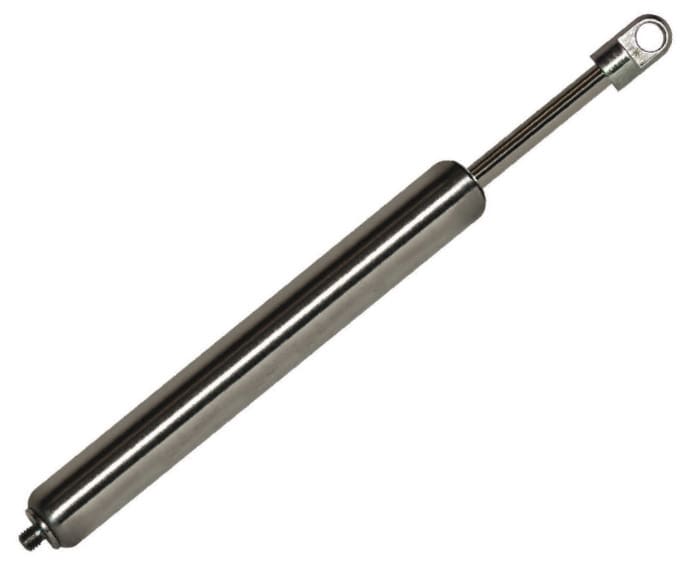
In many cases, the components must be fully or partially customized to meet specific application requirements. Even when development begins with a standard part, various modifications are frequently necessary such as changes in stroke length, force calibration, material composition, damping characteristics, and mounting hardware.
Additional alterations may be needed to accommodate factors such as environmental exposure, load characteristics, material compatibility, and mechanical behavior under unique operating conditions. In medical equipment design, components must meet rigorous performance, hygiene, and safety standards. Regulatory compliance and certification requirements are also critical, directly influencing component selection and overall system architecture.
To facilitate cooperation from the earliest stages of a project, leading companies assign dedicated motion control engineers to provide input, explore design options, offer technical recommendations, and develop solutions that enhance overall system performance.

Many requests for an engineering consultation are stimulated by a desire to resolve equipment performance issues caused by component failures in the field, particularly those related to low-cost, imported parts. These requests may also involve equipment that is too difficult to move manually, or a need to improve operational safety and ergonomics.
The ultimate objective in these collaborations is to streamline the OEM’s design process, reduce development time, and ensure that the final product meets the performance specifications.
Manual Motion Control
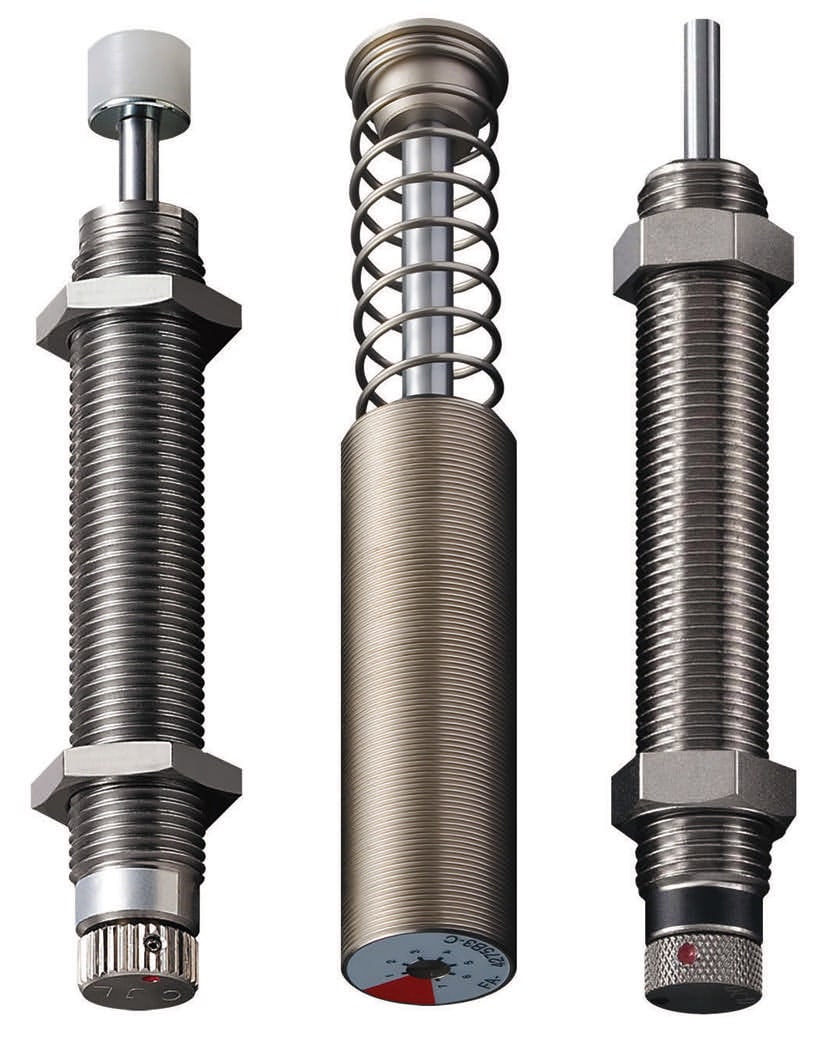
Motion control components like gas springs and dampers are designed to support and refine manual adjustments in equipment and machinery. Gas springs help lift, lower, and hold parts in place, making movements feel lighter, smoother, and more controlled without the need for external power. Dampers manage the speed and resistance of moving parts, absorbing force to prevent sudden motions, and creating a safer, more comfortable user experience.
Although these components share similar external appearances and basic operating principles across manufacturers, certain models are engineered with specialized design features that provide distinct advantages in medical applications.
Some motion control system specialists provide components that can be manufactured to match customer specifications. Because medical equipment can vary in size from small handheld devices to very large MRI machines, working with a supplier that offers a wide range of component sizes is important.
Online tools and programming software allow engineers to configure components based on parameters such as length, diameter, and force, supporting integration into 3D models and assemblies early in the design process. Still, even experienced design engineers are often not aware of the full range of available options, such as locking mechanisms, force calibration, material selections, and environmental ratings — features that can significantly enhance equipment performance, safety, and reliability.
Innovative Design Features
To address the medical industry’s critical need for equipment that remains reliable over many years of continuous use, some motion control system specialists have incorporated innovative design enhancements that go beyond standard configurations and involve selection of materials, surface treatments, and internal components.
For specialized applications where magnetic interference must be avoided, such as in MRI suites, nonferrous 316L stainless steel gas springs can be utilized. For this type of application, gas springs and dampers are used in support equipment for bed positioning and hatch support.
Locking gas springs receive significant attention in medical applications due to their ability to provide precise positioning, support, and enhanced safety across a wide range of equipment designs. These devices offer speed control, assist manual movement, and enable secure locking at any position between full compression and full extension.
Directional locking dampers are also available, providing locking capability in the compression direction while allowing free movement in extension. In some designs, a locking gas spring can be configured to deliver damping action as well, allowing OEMs to reduce part counts and simplify system design.
Automated Motion Control
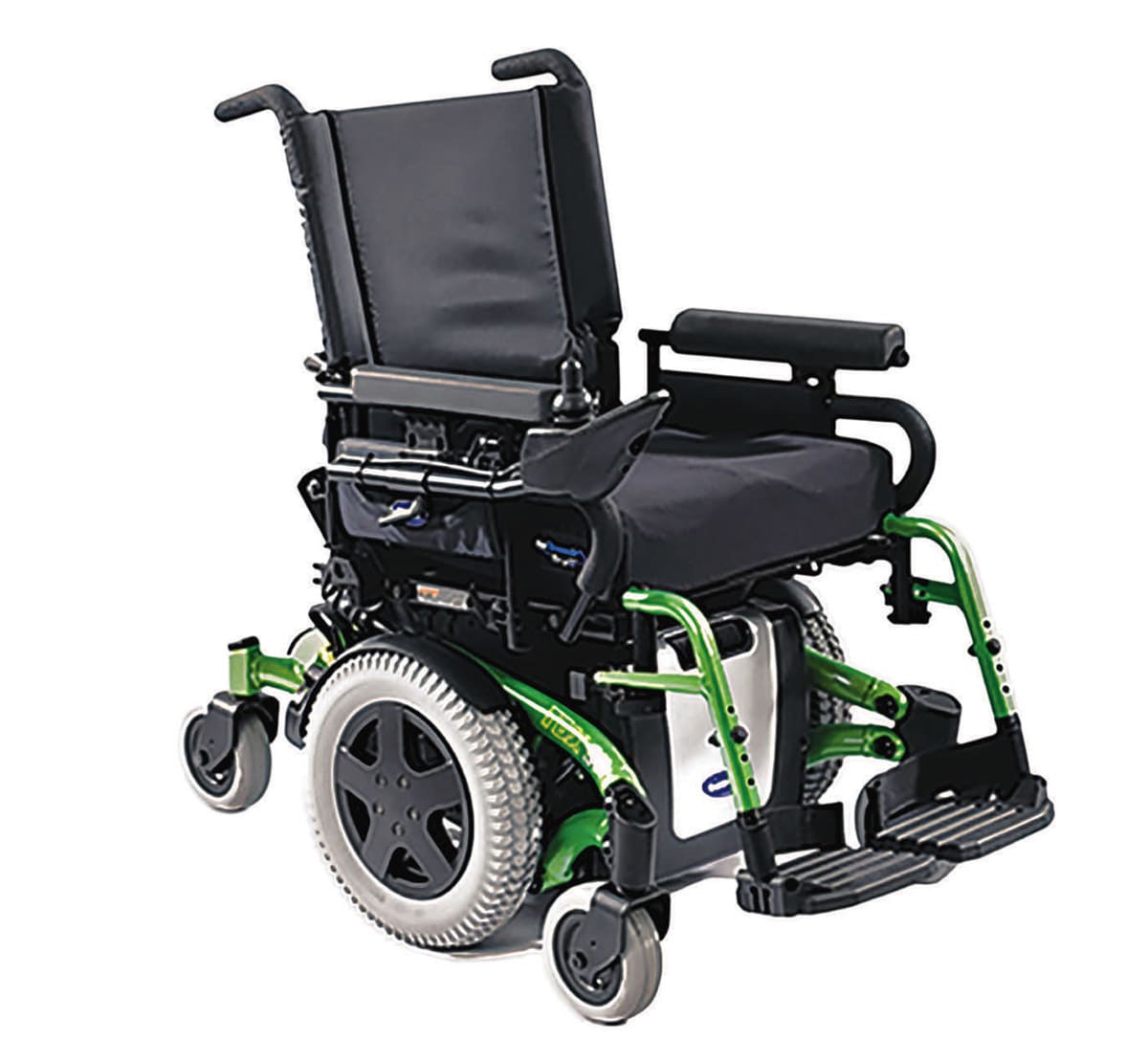
Motion control components like electric linear actuators are designed to automate adjustments in equipment and machinery. Electric linear actuators use electricity to move parts back and forth, enabling precise raising, lowering, or tilting with the push of a button. These actuators are used for exam tables, wheelchair adjustments, and accessible vehicle modifications. They also support ADA-compliant designs, enabling improved accessibility for users with limited mobility.
In the case of electric linear actuators, the internal components can be designed for durability, offering a range of lifting capacities across different models, with customizable stroke lengths up to 1,500 mm and dynamic load capabilities up to 10,000 N across various models. The linear configuration enables a compact installation footprint, and accessories such as controllers, handsets, and batteries for mobile use are available. Turnkey actuator kits eliminate the need to source separate controllers, manage programming, or handle integration.
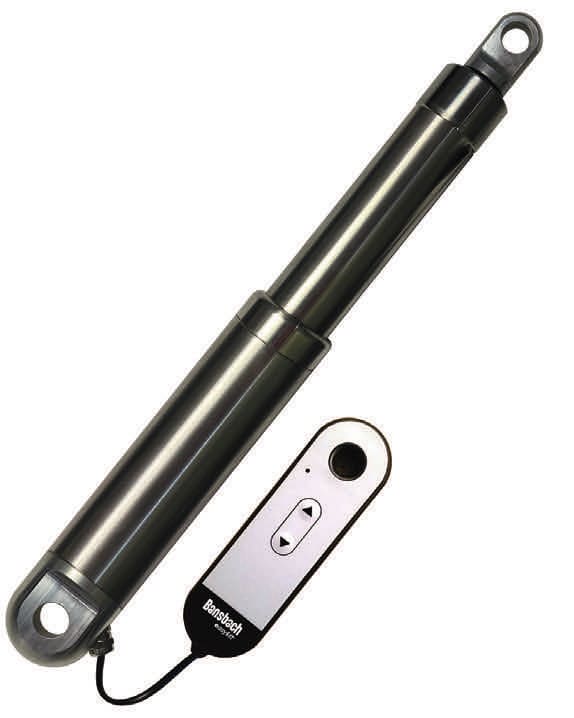
Industry specialists note that many medical device manufacturers offer product lines with multiple levels of functionality, often starting with a basic model — such as one that uses a simple gas spring — and extending to more advanced, fully automated versions that incorporate actuators.
The Value in High-Quality Components
Using higher-quality, custom-engineered motion control components provides significant advantages for medical equipment manufacturers by enhancing product reliability, extending service life, and reducing maintenance requirements.
Whether through advanced gas springs, precision dampers, or durable electric linear actuators, the right components ensure that medical devices operate smoothly and reliably across their expected lifespans, while meeting the rigorous standards of modern healthcare and improving the overall user experience for patients and caregivers alike.
This article was written by Brian Ingoldsby, Engineering Manager, Bansbach Easylift of North America Inc., Melbourne, FL, a global supplier of motion control devices, systems, and components. For more information, e-mail