
Inside this issue
Overview
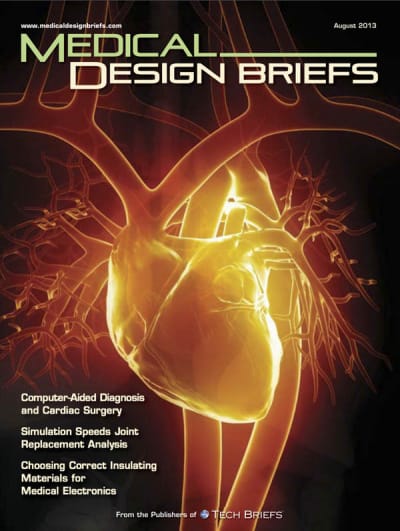
The August 2013 issue of Medical Design Briefs presents a comprehensive exploration of various advancements and considerations in the medical device industry. This edition features a range of articles that delve into critical topics such as computer-aided diagnosis, cardiac surgery simulation, and the selection of insulating materials for medical electronics, among others.
One of the key highlights of this issue is the discussion on Computer-Aided Diagnosis (CAD). The article emphasizes how CAD systems are revolutionizing the diagnostic process by enhancing accuracy and efficiency. These systems utilize advanced algorithms and machine learning techniques to analyze medical images, assisting healthcare professionals in making more informed decisions. The integration of CAD into clinical practice not only improves diagnostic outcomes but also streamlines workflows, allowing for quicker patient assessments.
Another significant topic covered is Cardiac Surgery Simulation. The article outlines how simulation technologies are being employed to improve surgical training and planning. By creating realistic virtual environments, surgeons can practice complex procedures, refine their skills, and prepare for actual surgeries without putting patients at risk. This innovative approach not only enhances the surgeon's proficiency but also contributes to better patient safety and outcomes.
The issue also addresses the importance of selecting the correct insulating materials for medical electronics. As medical devices become increasingly sophisticated, the need for reliable and safe insulating materials is paramount. The article discusses various types of insulating materials, their properties, and their applications in medical devices. It highlights the critical role that these materials play in ensuring device safety, performance, and compliance with regulatory standards. The selection process is crucial, as improper materials can lead to device failures or safety hazards.
In addition to these main articles, the magazine includes several other features that provide insights into the latest trends and technologies in medical design. For instance, there are discussions on the evolving landscape of medical device regulations and the impact of new standards on product development. The issue emphasizes the need for manufacturers to stay informed about regulatory changes to ensure compliance and maintain market access.
Furthermore, the magazine showcases various case studies that illustrate successful implementations of innovative technologies in real-world medical settings. These case studies serve as valuable learning tools for professionals in the industry, offering practical insights into the challenges and solutions encountered during the design and deployment of medical devices.
The issue also highlights the significance of user-centered design in medical device development. It stresses the importance of involving end-users—such as healthcare professionals and patients—in the design process to create devices that are not only functional but also intuitive and easy to use. This approach can lead to improved user satisfaction and better health outcomes.
Additionally, the magazine features a section on emerging technologies in the medical field, including advancements in telemedicine, wearable health devices, and mobile health applications. These technologies are transforming the way healthcare is delivered, making it more accessible and efficient. The articles discuss the potential benefits and challenges associated with these innovations, providing a balanced perspective on their impact on the healthcare landscape.
Throughout the issue, there are also advertisements and information on various products and services relevant to medical design and manufacturing. These include offerings from leading companies in the industry, showcasing the latest tools, materials, and technologies available to medical device developers.
In conclusion, the August 2013 issue of Medical Design Briefs serves as a valuable resource for professionals in the medical device industry. It provides a wealth of information on critical topics such as computer-aided diagnosis, cardiac surgery simulation, and the selection of insulating materials, along with insights into regulatory considerations, user-centered design, and emerging technologies. This edition not only highlights the latest advancements in medical design but also emphasizes the importance of innovation, safety, and compliance in the development of medical devices. As the industry continues to evolve, staying informed about these trends and best practices is essential for success in the competitive medical device market.
Features
-
Articles
Computer-Aided Diagnosis and Cardiac Surgery
Tips for Selecting Insulating Materials for Medical Electronics
-
R & D
Advanced Materials Research Center Announced
Auditory Stem Implant Help Tot Hear for First Time
New MRI Technique for MS Research
Student Device Could Help Avoid Repeated Breast Cancer Surgeries
Fiber-Optic Pen Allows View into Children’s Brains
-
Global Innovations
-
From the Editor
-
Applications
FEM Simulation Speeds Analysis of Durability for Replacement Joints
Custom Compound for Catheter Combines Flexibility, Radiopacity, and Color
-
Mission Accomplished
Tech Briefs
-
Wireless Body Area Networks for Health Monitoring
Visual Image Sensor Organ Replacement
Humanlike Articulated Robotic Headform for Respirator Fit Testing
100 Percent Solids: Superior Adhesive Technology for the Medical Industry
Products
-
First UL-Approved Autoclavable Battery for Surgical Tools
Fiber-Coupled Laser Technology
Industry’s Strongest VOC-Free Flux Remover
Scalable Servo Drive-Based Solutions
Medical Use Suitable Infrared LED Emitter
Teflon®-Coated Mandrels for Catheter Tubing
Encapsulated Potted Power Supply AC Adapter
Expanded Product Customization
Smallest Plastic Non-Spill Coupling
Adhesive Coated Products Catalog
Hybrid Power Management System