

Inside this issue
Overview
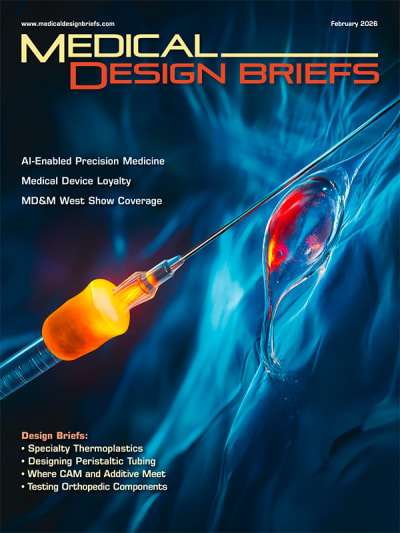
The December 2022 issue of Medical Design Briefs presents a wealth of information and insights relevant to professionals in the medical device and design industry. This edition features a comprehensive resource guide and directory, highlighting key players, innovative technologies, and industry trends that are shaping the future of medical design and manufacturing.
Key Features
-
Resource Guide and Directory: The issue includes a detailed resource guide that serves as a directory for various companies and services in the medical design sector. This guide is invaluable for professionals seeking partnerships, suppliers, or new technologies. It lists companies across various categories, including manufacturing, testing, and materials, providing contact information and web links for easy access.
-
Digitizing Change Control in Product Development: One of the standout articles discusses the importance of digitizing change control processes in product development. As the medical device industry faces increasing regulatory scrutiny and the need for rapid innovation, digitization offers a way to streamline workflows, enhance compliance, and improve product quality. The article outlines best practices for implementing digital change control systems, emphasizing the need for robust documentation and traceability to meet regulatory requirements.
-
Transforming Plastic Parts into High-Value Products: Another significant feature focuses on the transformation of plastic parts into high-value products. The article explores advanced manufacturing techniques, such as injection molding and 3D printing, that enable the production of complex geometries and customized solutions. It highlights case studies of companies successfully leveraging these technologies to enhance product performance and reduce costs. The discussion also touches on the importance of material selection and design optimization in achieving desired outcomes.
Innovations in Medical Device Manufacturing: The issue showcases various innovations in medical device manufacturing, including advancements in materials science, automation, and quality control. Companies are increasingly adopting smart manufacturing practices, integrating IoT devices and AI-driven analytics to monitor production processes in real-time. This shift not only improves efficiency but also enhances product safety and reliability.
-
Industry Trends and Challenges: The magazine addresses current trends and challenges facing the medical design industry, such as the ongoing impact of the COVID-19 pandemic, supply chain disruptions, and the need for sustainable practices. Experts weigh in on how companies can navigate these challenges by adopting flexible manufacturing strategies and investing in research and development to stay ahead of the competition.
-
Advertiser Index: The issue includes an advertiser index, providing readers with a quick reference to companies featured in the magazine. This index is particularly useful for those looking to connect with specific advertisers or explore their offerings in more detail.
Conclusion
The December 2022 issue of Medical Design Briefs is a vital resource for professionals in the medical device industry. With its focus on digitization, innovation, and industry trends, the magazine equips readers with the knowledge and tools necessary to thrive in a rapidly evolving landscape. Whether you are a designer, engineer, or executive, the insights shared in this issue will help you navigate the complexities of medical design and manufacturing, ultimately leading to the development of safer and more effective medical devices.
This edition not only highlights the importance of adapting to technological advancements but also emphasizes the need for collaboration and continuous improvement within the industry. As the medical field continues to evolve, staying informed and connected through resources like Medical Design Briefs will be crucial for success.
Features
-
Articles
10 Plasma Treatment: Transforming Plastic Parts into High-Value Products
16 Ensuring Regulatory Compliance by Digitizing Change Control in Life Sciences Product Development
33 Zero-Power Inertial Switches: Moving Beyond the Limits of Power and Size
-
R & D
20 Mouthguard Controls Devices by Biting
20 Gel-Like, Radioactive Implant Kills Pancreatic Cancer
20 Light-Sensing Device for Lupus
20 Skin-Attachable Auditory Sensor Functions in Noisy Environments
-
Global Innovations
-
From the Editor
From the Editor: Innovation Drives Growth of Wearable Sensors
-
Applications
30 Using 3D Printing to Aid in Planning Tumor Removal
31 MEMS Technology Powers Sterilization Cycle Counter for Medical Applications
Tech Briefs
-
24 Battery-Free, Light-Powered Pacemaker May Improve Quality of Life for Heart Disease Patients
25 Soft but Tough: Biohybrid Material Performs Like Cartilage
26 Stretchable Battery Packaging Could Power the Future of Wearable Devices
27 In-Home Wireless Device Tracks Disease Progression in Parkinson’s Patients