
Inside this issue
Supplements
Overview
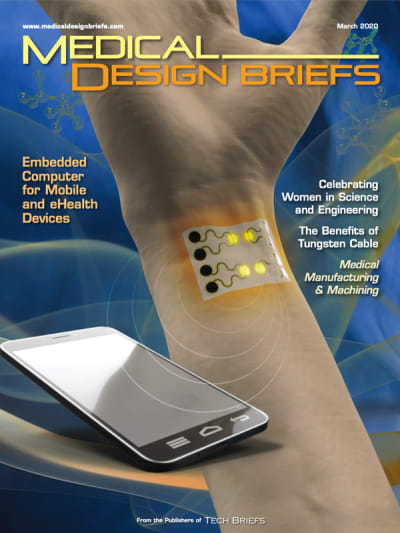
The March 2020 Digital Edition of Medical Design Briefs and Medical Manufacturing & Machining presents a comprehensive overview of the latest trends, technologies, and innovations in the medical technology sector. This issue is particularly notable for its focus on the contributions of women in engineering and science, as well as advancements in automation and digital solutions in manufacturing.
Key Features and Articles:
-
Women in Engineering and Science: Making Their Mark in Medical History: This special section highlights the significant achievements of women in the fields of engineering and science, emphasizing their impact on medical technology. It showcases various profiles of female leaders and innovators who have contributed to advancements in medical devices and healthcare solutions, inspiring future generations to pursue careers in these fields.
-
Embedded Computer Vision in Medical Technology: An article dedicated to the integration of embedded computer vision systems in mobile and eHealth devices discusses how these technologies enhance diagnostic capabilities and patient monitoring. The focus is on the potential for improved healthcare delivery through real-time data analysis and image processing, which can lead to better patient outcomes.
-
The Benefits of Tungsten Cable: This feature explores the advantages of using tungsten cable in medical applications. Tungsten's unique properties, such as high density and excellent conductivity, make it an ideal choice for various medical devices. The article discusses its applications in surgical instruments and other medical technologies, highlighting how tungsten can improve performance and reliability.
Color-Changing Bandages: A tech brief introduces an innovative solution for wound care: color-changing bandages that can sense and treat bacterial infections. These smart bandages change color in response to the presence of bacteria, providing a visual cue for healthcare providers and patients. This technology represents a significant advancement in infection management and patient safety.
-
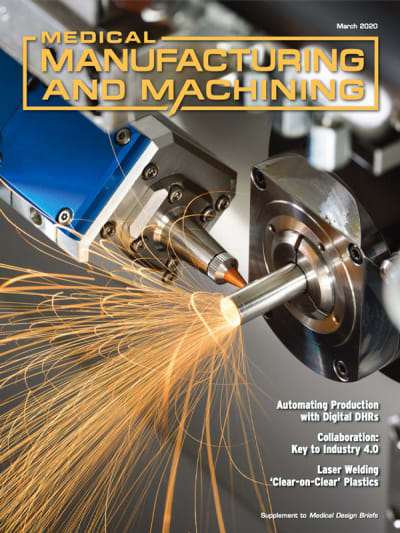
Automating Production with Digital DHRs: The issue delves into the automation of production processes through the use of Digital Device History Records (DHRs). This technology streamlines manufacturing operations, enhances traceability, and ensures compliance with regulatory standards. The article discusses how automation can lead to increased efficiency and reduced errors in the production of medical devices.
-
Collaboration: Key to Industry 4.0: Another feature emphasizes the importance of collaboration in achieving the goals of Industry 4.0 within the medical manufacturing sector. It discusses how partnerships between manufacturers, technology providers, and healthcare professionals can drive innovation and improve the overall quality of medical products. The article highlights successful case studies where collaboration has led to significant advancements.
-
Laser Welding: The magazine also covers the advancements in laser welding technology, which is increasingly being used in the manufacturing of medical devices. The precision and efficiency of laser welding make it an attractive option for creating strong, reliable joints in complex medical assemblies. The article outlines the benefits of this technology, including reduced production times and improved product quality.
-
Celebrating Women in Science and Engineering: In addition to the special section, the magazine features various articles and profiles that celebrate the achievements of women in the STEM fields. This initiative aims to inspire young women to pursue careers in engineering and science, showcasing role models who have made significant contributions to medical technology.
Conclusion: The March 2020 issue of Medical Design Briefs and Medical Manufacturing & Machining serves as a valuable resource for professionals in the medical technology industry. It not only highlights the latest innovations and technologies but also emphasizes the importance of diversity and collaboration in driving progress. With a focus on both technical advancements and the human stories behind them, this edition provides a well-rounded perspective on the future of medical design and manufacturing. The insights shared in this issue are crucial for anyone involved in the development and production of medical devices, as they navigate the challenges and opportunities in this rapidly evolving field.
Features
-
Articles
16 Leading Women in Engineering & Science: Making their Mark in Medical History
22 Leading Women in Engineering & Science: Jenica Kolhoff, Nitinol, Applications Engineer
23 Leading Women in Engineering & Science: Dawn F. Massa Stancavish, Chief Innovation Officer & COO
25 Leading Women in Engineering & Science: Dr. Annette Teng, CEO; Lisa Wen, Process Engineer
26 Leading Women in Engineering & Science: Kristin Edgerton, Lead Project Engineer
27 Leading Women in Engineering & Science: Sarah Charette, Product Manager
29 Embedded Computer Computer Vision in Medical Technology: Focus on Mobile and eHealth Devices
-
R & D
39 New Method Detects Defects in 2D Materials
39 Drug Testing with Human Body-on-Chip Systems
39 AI-Analyzed Blood Test Predicts Disease Progression
39 Magnetic Sensor Circuits on Various Surfaces
-
Global Innovations
-
From the Editor
Tech Briefs
-
41 Color-Changing Bandages Sense and Treat Bacterial Infections
42 Iron Nanorobots Destroy Cancer Cells
42 Engineers Design Bionic ‘Heart’ for Testing Prosthetic Valves, Other Cardiac Devices
45 Wearable Health Tech Gets Efficiency Upgrade
46 Researchers Hope to Make Needle Pricks for Diabetics a Thing of the Past
48 Machine Keeps Human Livers Alive for One Week Outside of the Body
49 Wearable Gas Sensor Enhances Sensitivity
50 Research Zeroing in on Electronic Nose for Diagnosing Disease
51 Cold Plasma Patch Could Make Immunotherapy More Effective for Treating Melanoma
Products
-
Briefs
Ultrasound Helps Make 3D Printed Alloys Stronger
Marubeni Citizen-Cincom Opens New Technical Center
Researchers Develop Ultra-Thin, Ultra-Flexible Electronic Material
Hybrid Technique Aims to Produce Stronger, Corrosion-Resistant Nickel