

Inside this issue
Overview
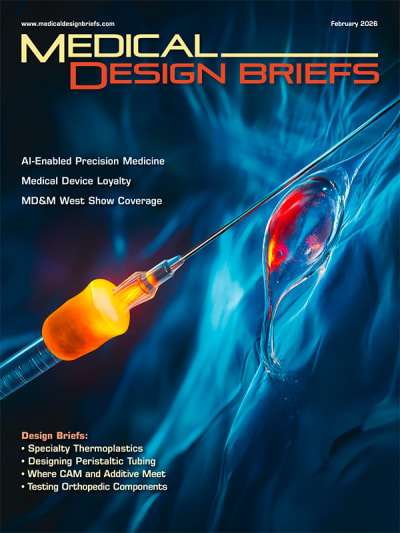
The January 2012 issue of Medical Design Briefs presents a collection of insightful articles and features that highlight the latest advancements and considerations in the medical device industry. This edition is particularly focused on innovative technologies and engineering solutions that address various medical challenges.
Key Highlights:
-
The Future of Neuromodulation: This article explores the evolving field of neuromodulation, which involves the use of electrical stimulation to modulate nerve activity. It discusses the potential applications of neuromodulation in treating conditions such as chronic pain, epilepsy, and depression. The piece emphasizes the importance of developing safe and effective devices that can deliver precise stimulation to targeted areas of the nervous system.
-
Engineering a New Face After Craniofacial Injury: This feature delves into the engineering challenges and solutions associated with craniofacial reconstruction. It highlights the advancements in materials and techniques that allow for more effective and aesthetically pleasing outcomes for patients who have suffered facial injuries. The article discusses the role of 3D printing and custom implants in creating personalized solutions for complex craniofacial defects.
Validation Considerations for Reusable Devices: The issue addresses the critical topic of validation for reusable medical devices. It outlines the regulatory requirements and best practices for ensuring that these devices can be safely and effectively reused. The article emphasizes the importance of thorough testing and validation processes to maintain patient safety and device reliability over time.
-
Global Innovations: Eye-Surgery Robot: This article showcases a groundbreaking eye-surgery robot that represents a significant advancement in ophthalmic surgery. The robot is designed to enhance precision and reduce the risk of complications during delicate eye procedures. The piece discusses the technology behind the robot, its potential benefits for surgeons and patients, and the future of robotic assistance in surgery.
Editorial Insights: The editorial section, led by Emily Chang, provides context for the articles and reflects on the ongoing innovations in medical technology. It emphasizes the importance of collaboration between engineers, clinicians, and regulatory bodies to drive advancements that improve patient outcomes.
Publisher's Note: Joseph T. Pramberger, the publisher, highlights the commitment of Tech Briefs Media Group to deliver high-quality content that informs and inspires professionals in the medical design field. The issue serves as a platform for sharing knowledge and fostering discussions around the latest trends and challenges in medical device development.
Navigation and Accessibility: The magazine includes user-friendly navigation tools, allowing readers to easily access different sections and articles. This feature enhances the reading experience, making it convenient for professionals to find relevant information quickly.
Conclusion: The January 2012 issue of Medical Design Briefs is a valuable resource for professionals in the medical device industry. It provides a comprehensive overview of current trends, challenges, and innovations that are shaping the future of medical technology. With a focus on neuromodulation, craniofacial engineering, validation of reusable devices, and robotic surgery, this edition offers insights that are crucial for engineers, designers, and healthcare professionals alike. The commitment to quality content and the emphasis on collaboration within the industry make this issue a must-read for anyone involved in medical design and development.
Features
-
Articles
Cleaning, Disinfection, and Sterilization Validations: Considerations in Reusable Device Design
Engineering a New Face After Craniofacial Injury
Neuromodulation: Current Practice, Limitations, and Considerations
-
Global Innovations
-
Mission Accomplished
Ultra-Portable Device Makes Negative Pressure Wound Therapy More Affordable, Accessible
Tech Briefs
-
Quality Control Method for a Micro-Nano-Channel Microfabricated Device
Controlling Heat Curing Adhesive Processes Using Infrared Spot Curing
Precise Chemical Etching Method for Diamond Crystal Components