
Inside this issue
Overview
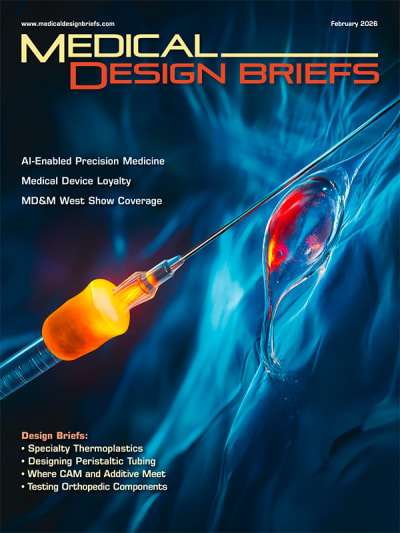
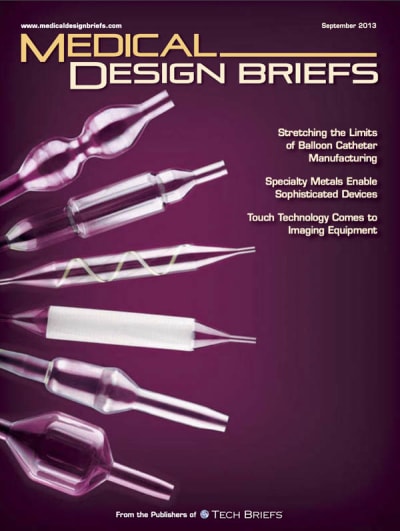
The September 2013 issue of Medical Design Briefs presents a comprehensive overview of the latest advancements and innovations in the medical device industry. This edition focuses on several key topics, including the manufacturing of balloon catheters, the use of specialty metals in medical devices, and the integration of touch technology in imaging equipment.
1. Stretching the Limits of Balloon Catheter Manufacturing: One of the standout articles discusses the advancements in balloon catheter manufacturing. Balloon catheters are critical tools in various medical procedures, particularly in cardiovascular interventions. The article highlights how manufacturers are pushing the boundaries of design and materials to create more sophisticated and effective devices. Innovations in polymer materials and manufacturing techniques are enabling the production of catheters that are not only more durable but also capable of navigating complex vascular pathways with greater ease. The article emphasizes the importance of precision in manufacturing processes to ensure the reliability and safety of these devices.
2. Specialty Metals Enable Sophisticated Devices: Another significant feature in this issue is the exploration of specialty metals used in medical devices. The use of advanced materials such as titanium, cobalt-chromium alloys, and stainless steel is becoming increasingly prevalent in the design of surgical instruments and implants. These materials offer superior strength, biocompatibility, and resistance to corrosion, which are essential for devices that must function effectively within the human body. The article discusses how the unique properties of these metals allow for the creation of smaller, lighter, and more efficient devices, ultimately improving patient outcomes.
3. Touch Technology Comes to Imaging Equipment: The integration of touch technology into medical imaging equipment is another highlight of this issue. As healthcare professionals seek more intuitive and user-friendly interfaces, touchscreens are becoming a standard feature in imaging devices. The article examines how this technology enhances the user experience, allowing for quicker access to critical information and more efficient workflow in clinical settings. The shift towards touch technology not only improves usability but also facilitates better interaction between healthcare providers and patients, leading to more effective communication and care.
4. Innovations in Medical Device Design: Throughout the issue, there are various articles that delve into the design aspects of medical devices. Emphasis is placed on the importance of user-centered design, which takes into account the needs and experiences of both healthcare providers and patients. The articles discuss how incorporating feedback from end-users during the design process can lead to more effective and safer medical devices. This approach is particularly relevant in the development of devices that require precise handling and operation, such as surgical instruments and diagnostic tools.
5. Regulatory Considerations: The issue also addresses the regulatory landscape surrounding medical devices. As innovations continue to emerge, manufacturers must navigate complex regulatory requirements to ensure their products meet safety and efficacy standards. The articles provide insights into the challenges faced by companies in obtaining regulatory approval and the importance of maintaining compliance throughout the product lifecycle. Understanding these regulations is crucial for manufacturers aiming to bring new technologies to market successfully.
6. Future Trends in Medical Technology: Looking ahead, the issue explores future trends in medical technology, including the potential impact of emerging technologies such as 3D printing and artificial intelligence. These innovations are poised to revolutionize the way medical devices are designed, manufactured, and utilized in clinical practice. The articles speculate on how these technologies could lead to more personalized medicine, with devices tailored to the specific needs of individual patients.
Conclusion: The September 2013 issue of Medical Design Briefs serves as a valuable resource for professionals in the medical device industry. It provides a thorough examination of current trends, challenges, and innovations that are shaping the future of healthcare technology. By focusing on the intersection of design, materials, and technology, this issue highlights the ongoing efforts to improve patient care through advanced medical devices. As the industry continues to evolve, staying informed about these developments is essential for professionals dedicated to enhancing the quality and effectiveness of medical treatments.
Features
-
Articles
Specialty Metals Make Sophisticated Medical Devices Possible
Medical Device Market Pushes the Limits of Tubing
A New Way to Control Imaging Equipment
The Evolution of Miniaturization Within Medical Instrumentation
Circuit Protection Critical to Safeguarding Both Medical Devices and Patients’ Health
-
R & D
Glass Scaffolds for Bone Implants
Careful Monitoring Eases Prosthetic Leg Pain
Guiding Nanowire Growth for Self-Integrated Circuits
Ultrasound Patch Heals Venous Ulcers
-
Global Innovations
-
From the Editor
-
Mission Accomplished
Telescope Innovations Improve Speed, Accuracy of Eye Surgery
Tech Briefs
-
Sterilization of Bioresorbable Polymers
Laser Marking for ID and Traceability Within the Medical Industry
Products
-
Product of the Month: Projected Capacitive Touch Screens
Flat Cable & Assemblies Catalog
Fiber Assemblies for UV Wavelengths
World’s Most Powerful Form C Reed Switch
Ultra Precision Chip Resistors
Compact One Watt DC-DC Converter
IPDia Products Available Worldwide
First 20nm All Programmable Device
Thermocouple to Digital Converters
Compact Vision Products for Embedded OEM Applications
LGA24 Extreme Temperature Socket
GT-43007 Power Supply AC Adapter