
Inside this issue
Overview
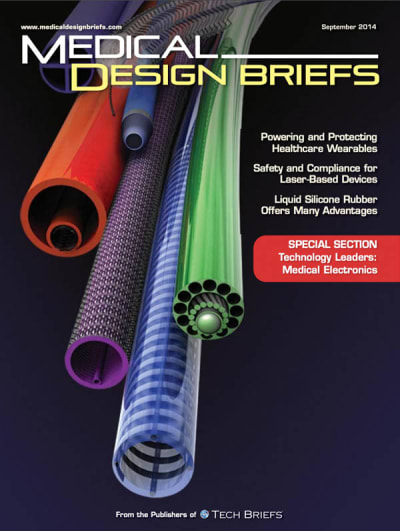
The September 2014 issue of Medical Design Briefs presents a comprehensive overview of the latest advancements and trends in medical technology, focusing on innovative solutions and design strategies that enhance patient care and streamline medical processes. This edition features a variety of articles that delve into key topics such as healthcare wearables, safety compliance for medical devices, and the benefits of using liquid silicone rubber in medical applications.
One of the standout features of this issue is the exploration of healthcare wearables. As the demand for remote patient monitoring and personalized healthcare solutions grows, wearable devices have become increasingly important. The articles discuss how these devices can track vital signs, monitor chronic conditions, and provide real-time data to healthcare providers, ultimately improving patient outcomes. The integration of advanced sensors and connectivity features in wearables is highlighted, showcasing how technology is transforming patient engagement and self-management.
Another significant topic covered in this issue is the safety compliance of laser-based medical devices. With the rise of laser technologies in various medical applications, ensuring safety and compliance with regulatory standards is paramount. The magazine provides insights into the challenges manufacturers face in meeting these standards and the importance of rigorous testing and validation processes. It emphasizes the need for collaboration between engineers, regulatory experts, and healthcare professionals to develop safe and effective laser devices.
The issue also features a detailed examination of liquid silicone rubber (LSR) and its advantages in medical device manufacturing. LSR is increasingly favored for its biocompatibility, flexibility, and durability, making it an ideal material for a wide range of medical applications, including seals, gaskets, and components for devices that require sterilization. The articles discuss the manufacturing processes involved in working with LSR, including injection molding and the importance of precision in achieving high-quality results. The versatility of LSR is showcased through various case studies, illustrating its effectiveness in enhancing product performance and patient safety.
In addition to these key topics, the issue includes a special section dedicated to technology leaders in medical electronics. This section highlights innovative companies and their contributions to the field, showcasing cutting-edge products and solutions that are shaping the future of medical technology. Interviews with industry leaders provide valuable insights into emerging trends, challenges, and opportunities within the medical electronics sector.
The magazine also addresses the importance of customization in medical device design, particularly in the context of foot controls used in various medical applications. Custom foot controls can enhance functionality and user experience, allowing for tailored solutions that meet specific needs. The design team featured in the issue emphasizes their commitment to working closely with clients to develop customized foot controls that improve usability and efficiency without the lengthy development timelines typically associated with such projects.
Throughout the issue, there is a strong emphasis on the collaboration between engineers, designers, and healthcare professionals. The articles highlight the importance of interdisciplinary teamwork in driving innovation and ensuring that medical devices meet the needs of both patients and providers. This collaborative approach is essential for addressing the complexities of medical device design and ensuring compliance with regulatory standards.
In summary, the September 2014 issue of Medical Design Briefs serves as a valuable resource for professionals in the medical technology field. It provides a wealth of information on the latest advancements in healthcare wearables, safety compliance for laser devices, and the benefits of liquid silicone rubber in medical applications. The issue also emphasizes the importance of customization and collaboration in medical device design, showcasing the innovative solutions that are shaping the future of patient care. With its insightful articles and expert contributions, this edition is a must-read for anyone involved in the design and development of medical technologies.
Features
-
Articles
Novel Polymer Technology Bids Farewell to Tri-layer
Reservoir Seals, Tubing, and LSR Make the Difference for Medical Devices
Safety, Compliance, and Regulation: The Gateway for Laser-Based Products into the Marketplace
-
R & D
Shrinking the Gap in Nanowire Technology
Developing World's First Memory Restoration Device
Creating Soft Robotics with a Sewing Machine
Preventing Fatal Blood Loss with Injectable Foam
-
Global Innovations
-
From the Editor
-
Technology Leaders
Tech Briefs
-
Advanced Pouching for Medical Materials
Medical Device Integrators Can Ensure Data Accuracy and Patient Safety
Products
-
Custom Molded LSR Thin Walled Diaphragms
Flexible Color Digital Materials
FlexiForce Enhanced Stability Sensor
Increased Panel Sizes for CT Systems
PRODUCT OF THE MONTH - MAXPOS 50/5 Positioning Controller
Dual-Phase Synchronous Boost Regulator
PC-DMIS 2014 Measurement Software
Small Plastic Non-Spill Couplings
Resbond 940 Customizable Adhesives
Fluid Dispensing System for Cleanrooms
iPORT NTx-W Embedded Video Interface
Grasshopper3 GigE Vision™ PoE Cameras
Vision MINI Xi Industrial Compact Smart Camera
UltiMod Modular Off-Line Power Supplies
CLIK-Mate Wire-to-Board Connector System