

Inside this issue
Overview
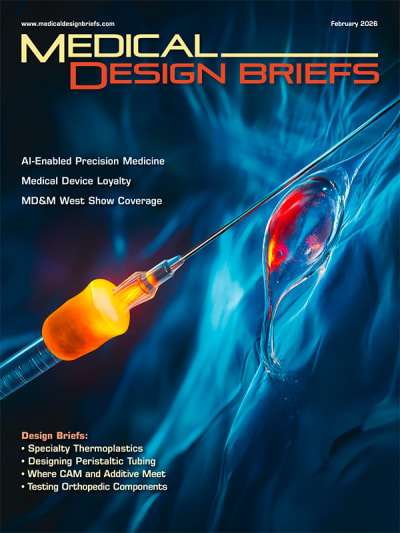
The February 2016 issue of Medical Design Briefs offers a comprehensive overview of the evolving landscape of medical technology, focusing on innovation, design, and the challenges faced by manufacturers in the industry. This edition is particularly relevant for professionals involved in the design and development of medical devices, as it addresses key topics that are shaping the future of healthcare technology.
Key Highlights:
-
Competitive Landscape: The issue opens with a discussion on the rapidly changing competitive landscape for medical devices. Manufacturers are under increasing pressure to adapt to new demands for precision and determinism in their products. This shift is driven by advancements in technology and the growing expectations of healthcare providers and patients alike.
-
Regional Focus: California Medtech: A significant feature of this issue is the regional focus on California's medical technology sector. California is a hub for innovation, home to numerous startups and established companies that are at the forefront of medical device development. The article highlights key players in the region, their contributions to the industry, and the collaborative environment that fosters innovation.
-
Choosing the Right Power Supply: One of the critical aspects of medical device design is selecting the appropriate power supply. This issue provides insights into the various types of power supplies available, their advantages and disadvantages, and considerations for ensuring reliability and safety in medical applications. The article emphasizes the importance of understanding the specific power requirements of devices to optimize performance and compliance with regulatory standards.
-
Force Sensors for Device Design: Another important topic covered is the use of force sensors in medical device design. These sensors play a crucial role in enhancing the functionality and user experience of devices. The article discusses different types of force sensors, their applications in various medical devices, and how they can improve patient outcomes by providing real-time feedback and data.
Innovative Solutions and Case Studies: Throughout the issue, several case studies and examples of innovative solutions are presented. These real-world applications demonstrate how companies are successfully integrating new technologies into their products. The case studies serve as inspiration for designers and engineers looking to push the boundaries of what is possible in medical device design.
-
Regulatory Considerations: The issue also touches on the regulatory landscape that governs medical device development. Understanding the requirements set forth by regulatory bodies is essential for manufacturers to ensure compliance and market readiness. The article provides an overview of the key regulations that impact the design and approval process for medical devices.
-
Future Trends: Looking ahead, the magazine discusses emerging trends in the medical technology sector, including the integration of artificial intelligence, telemedicine, and wearable technology. These trends are expected to shape the future of healthcare, offering new opportunities for innovation and improved patient care.
-
Advertisers and Resources: The issue includes an advertisers index, providing readers with access to additional resources and product literature. This section is valuable for professionals seeking to explore new technologies and solutions that can enhance their work in medical device design.
Conclusion:
The February 2016 issue of Medical Design Briefs serves as a vital resource for professionals in the medical technology field. By addressing the challenges and opportunities within the industry, the magazine equips readers with the knowledge and insights needed to navigate the complexities of medical device design. From understanding the competitive landscape to exploring innovative technologies and regulatory considerations, this issue is a must-read for anyone involved in the development of medical devices.
Overall, the magazine emphasizes the importance of adaptability and innovation in a rapidly changing environment, encouraging manufacturers to stay ahead of the curve and meet the evolving needs of healthcare providers and patients.
Features
-
Articles
Precision Manufacturing of Medical Devices Using Ultra-Short Pulse Lasers
Thin Film Force Sensors: Changing the Medical Device Design Game
-
R & D
Heart’s Rhythms Respond to Light
Electronic-Embedded Hydrogel Can Deliver Drugs
Robotic Endoscope Offers Better Way to Open Airways
-
Global Innovations
-
From the Editor
-
Applications
Tech Briefs
-
Making Electronics More Flexible with Self-Healing Gel
3D-Printed Airways Continue to Save Lives
Portable Acoustic Holography Systems for Therapeutic Ultrasound Sources