
Inside this issue
Overview
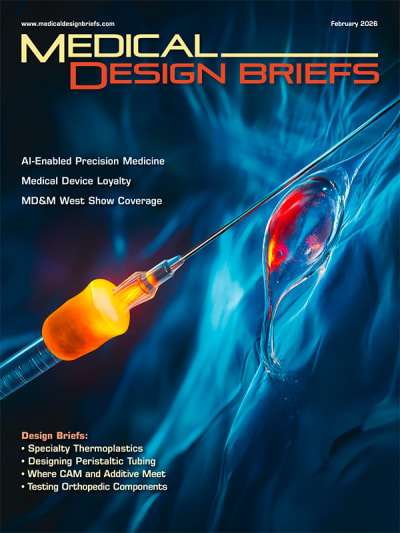
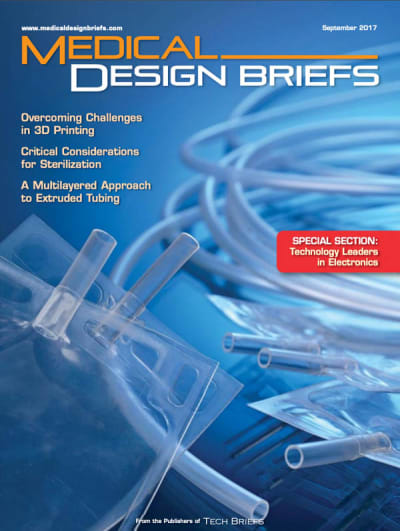
The September 2017 issue of Medical Design Briefs presents a comprehensive exploration of current trends and innovations in the medical technology sector. This edition is particularly focused on the advancements in 3D printing, sterilization techniques, and the development of extruded tubing, among other critical topics.
Key Features:
-
3D Printing: Overcoming Anatomical Model Challenges The issue highlights the transformative impact of 3D printing in the medical field, particularly in creating anatomical models. These models are essential for surgical planning, education, and patient communication. The article discusses the challenges faced in 3D printing, such as material selection, accuracy, and regulatory considerations. It emphasizes the importance of overcoming these hurdles to fully leverage the potential of 3D printing in personalized medicine.
-
Critical Considerations for Sterilization Another significant feature addresses the critical aspects of sterilization in medical device manufacturing. The article outlines various sterilization methods, including ethylene oxide, steam, and radiation, and discusses their respective advantages and limitations. It stresses the importance of selecting the appropriate sterilization technique to ensure the safety and efficacy of medical devices, particularly in light of increasing regulatory scrutiny and the need for compliance with industry standards.
-
A Multilayered Approach to Extruded Tubing The issue also delves into the advancements in extruded tubing, which is vital for various medical applications, including catheters and IV lines. The article presents a multilayered approach to tubing design, which enhances performance characteristics such as flexibility, strength, and biocompatibility. It discusses the materials used in the manufacturing process and the importance of innovation in meeting the evolving needs of healthcare providers and patients.
Technology Leaders in Electronics A special section is dedicated to the leaders in electronics technology, showcasing companies that are at the forefront of developing electronic solutions for medical applications. This includes advancements in wearable technology, diagnostic devices, and telemedicine solutions. The article highlights how these technologies are improving patient outcomes and streamlining healthcare delivery.
Additional Insights:
-
Navigational Tools: The magazine provides a user-friendly navigation system, allowing readers to easily access different sections, zoom in on content, and utilize search functions to find specific information quickly.
-
Publisher's Note: The editor's column sets the tone for the issue, emphasizing the importance of innovation in medical design and the ongoing challenges faced by the industry. It encourages readers to stay informed about the latest developments and to engage with the content actively.
-
Future Trends: The issue also touches on future trends in medical technology, including the integration of artificial intelligence and machine learning in diagnostics and treatment planning. It speculates on how these technologies will shape the future of healthcare and the importance of adapting to these changes.
Conclusion:
The September 2017 issue of Medical Design Briefs serves as a valuable resource for professionals in the medical technology field. It provides in-depth articles that not only inform but also inspire innovation and improvement in medical device design and manufacturing. By addressing current challenges and showcasing advancements, the magazine plays a crucial role in keeping industry stakeholders informed and engaged with the latest trends and technologies.
Overall, this issue is a must-read for anyone involved in medical design, engineering, and technology, offering insights that are both practical and forward-thinking.
Features
-
Articles
MAKING THINGS INTELLIGENT: The Advent of RFID in Medical Devices
How Microdispensing Technology Is Changing Medical Device Manufacturing
3D Printing: Overcoming Anatomical Model Challenges
A Multilayered Approach to Extruded Tubing
Sterilization, Packaging, and Materials: CRITICAL CONSIDERATIONS
-
R & D
Ultrathin Device Harvests Electricity from Human Motion
NanoVelcro Microchips Could Noninvasively Diagnose Prenatal Conditions
New, More Accurate Tool Helps Surgeons Find Liver Tumors
Quick Test Detects Sepsis in Single Drop of Blood
-
Global Innovations
-
From the Editor
-
Applications
-
Technology Leaders
Tantalum Capacitors for Medical Applications
Addressing Cleaning Challenges for Medical Electronics
EMC Requirements: Pending Changes for the Fourth Edition of IEC 60601-1-2
Tech Briefs
-
Clean Manufacturing: Cold Forming and Environmental Compliance
Sticking to Skin: How to Overcome Human Factors
‘Near-Zero-Power’ Temperature Sensor Could Make Wearables Less Power-Hungry