
Medical-Grade Polyphthalamide
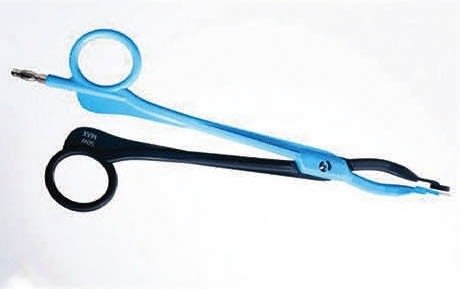
Syensqo, Brussels, Belgium, has launched a medical-grade polyphthalamide engineered for single-use, high-temperature medical instruments and assemblies. With a melting point above 300 °C and mechanical strength up to 280 °C, the glass-filled Amodel® PPA polymer withstands demanding processes such as SMT assembly, IR reflow, and metal overmolding. The material combines electrical insulation, biocompatibility for limited-contact applications, and processing versatility, making it suitable for electrosurgical instruments and electronic device assemblies. Sampling is currently available. Commercial availability is expected in 2026.
Visit Here
Non-PFAS Additive for Pipette Tips
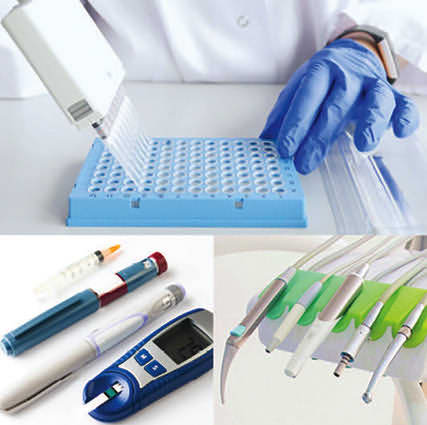
Non-PFAS low-retention additives for pipette tips are available from Avient, Avon Lake, OH. The Mevopur compound is engineered to reduce sample loss and droplet hang-up in high-throughput liquid-handling systems while maintaining biocompatibility and clarity in polypropylene. Developed without intentionally added PFAS, the additive supports common sterilization methods and is supplied as a ready-to-use medical-grade compound compatible with standard injection molding and extrusion processes.
Visit Here
Shielded Cable Connectors
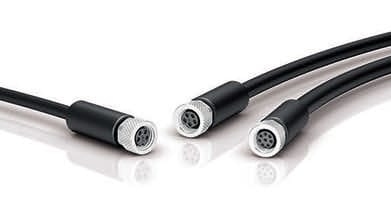
Binder, Bohemia, NY, has expanded its M8 connector portfolio with 360-degree shielded male and female cable connectors for reliable signal transmission in harsh automation environments. The compact connectors support 3- to 8-pin configurations, IP65/67 protection, and vibration-resistant construction for continuous use on sensors and actuators. Configurable cable lengths and compatibility with standard M8 interfaces simplify integration into space-constrained machinery, including medical and laboratory equipment requiring low-noise wiring.
Visit Here
Fiber Laser Marking Systems
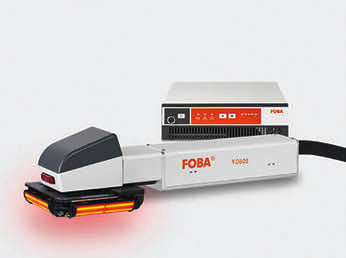
Fiber laser marking systems for UDI and traceability codes are available from FOBA, Selmsdorf, Germany. The latest Y-series platform combines adjustable pulse widths with integrated vision alignment to produce high-contrast, permanent marks on metals and plastics. Optimized marking fields support fast throughput and accurate positioning on complex components. Software tools manage layouts, serialization, and code verification, helping manufacturers implement compliant, efficient marking processes for medical devices.
Visit Here
Cloud-Based Quality Management Platform

Cloud-based quality management software for life science manufacturers is available from QT9, Aurora, IL. The QT9 QMS platform centralizes document control, training, and production records with electronic signatures and audit trails to support ISO and FDA compliance. Configurable workflows manage CAPA, complaints, risk assessments, and change control, while dashboards provide real-time quality metrics. The system is delivered prevalidated to reduce deployment effort and validation cycle time.
Visit Here
IECEE Component Certification
TÜV SÜD, Munich, Germany, has launched an IECEE component certification program for safety-related components used in medical devices. The service enables manufacturers of power supplies, subassemblies, and other electrotechnical parts to obtain certification to IEC 60601-1 before integration into finished equipment. Early compliance simplifies device approvals, shortens market-entry timelines, and provides internationally recognized CB Scheme reports supporting global access.
Visit Here
Digital CQV Services

Verista, Fishers, IN, has introduced a digital commissioning, qualification, and validation framework tailored for medical device facilities. The approach combines risk-based methodology, standardized templates, and automated documentation tools to streamline equipment and system qualification. Centralized repositories maintain traceable requirements, protocols, and execution records. By orchestrating workflows across engineering, quality, and operations teams, the service helps reduce validation cycle times while ensuring regulatory compliance.
Visit Here