

Inside this issue
Overview
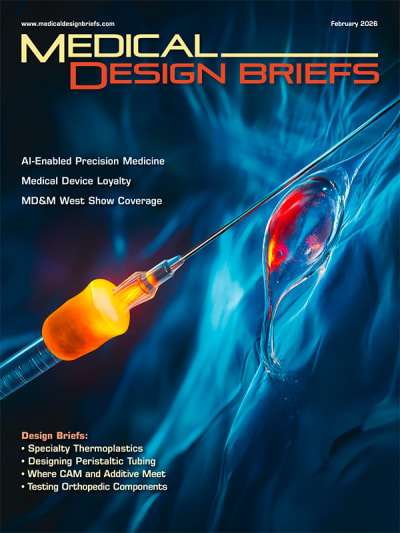
The June 2015 issue of Medical Design Briefs offers a comprehensive exploration of various topics relevant to the medical design and manufacturing industry. This edition is particularly focused on advancements in materials and processes that enhance product development in the medical field.
Key Highlights:
-
Selecting Materials for Complex Tubing: The issue delves into the critical considerations for selecting materials used in complex tubing applications. It emphasizes the importance of material properties such as biocompatibility, flexibility, and durability. The article discusses various polymers and composites that are suitable for medical tubing, highlighting their performance in different environments and applications. The selection process is framed within the context of regulatory requirements and the need for innovation in medical devices.
-
Solving Adhesion Issues with Pre-Treatment: Adhesion is a significant challenge in the manufacturing of medical devices, particularly when different materials are bonded together. This article addresses common adhesion problems and presents pre-treatment methods that can enhance bonding strength. Techniques such as plasma treatment, chemical etching, and surface roughening are explored, providing insights into how these methods can improve the reliability and performance of medical devices.
-
Advantages of High-Tech Polymers: The issue highlights the growing use of high-tech polymers in medical applications. These advanced materials offer unique properties such as increased strength, reduced weight, and enhanced chemical resistance. The article discusses specific high-tech polymers, their applications in medical devices, and the benefits they bring to product design and functionality. The focus is on how these materials can lead to better patient outcomes and more efficient manufacturing processes.
Manufacturability in Early Phase Product Development: A significant portion of the magazine is dedicated to the concept of manufacturability during the early phases of product development. This section emphasizes the importance of integrating manufacturing considerations into the design process from the outset. By doing so, companies can reduce costs, shorten time-to-market, and improve product quality. The article provides strategies for designers and engineers to collaborate effectively, ensuring that manufacturability is a key focus throughout the development cycle.
-
2015 Outsourcing Guide & Directory: This issue includes a valuable resource in the form of the 2015 Outsourcing Guide & Directory. This guide lists various service providers and manufacturers in the medical design sector, offering insights into their capabilities and areas of expertise. It serves as a practical tool for companies looking to outsource specific components of their product development or manufacturing processes.
Additional Features:
-
User-Friendly Navigation: The digital format of the magazine includes a navigation bar that allows readers to easily turn pages, zoom in on content, and access the table of contents. This enhances the reading experience and makes it easier to find specific articles or information.
-
Free Information Links: Throughout the magazine, there are links to additional resources and information, providing readers with opportunities to explore topics in greater depth. These links direct readers to relevant websites and documents that can further inform their understanding of the subjects discussed.
Conclusion:
The June 2015 issue of Medical Design Briefs is a rich resource for professionals in the medical design and manufacturing industry. It addresses critical topics such as material selection, adhesion challenges, and the advantages of high-tech polymers, all while emphasizing the importance of manufacturability in product development. The inclusion of the 2015 Outsourcing Guide & Directory further enhances the magazine's value, making it a must-read for those looking to stay informed about the latest trends and innovations in medical design.
Overall, this issue serves as a comprehensive guide for industry professionals seeking to enhance their knowledge and improve their practices in medical device design and manufacturing.
Features
-
Articles
How High-Performance Polymers Help Medical Device Designers Work Smarter and Sleep Better
-
R & D
Shape-Shifting GEM Sensor Responds to Radio Frequencies
Brain-Machine Interface Controls Prosthetic Hand
Researchers Use Water to Improve Nanowires
-
From the Editor
Tech Briefs
-
VA and GE Collaborate on Device to Evaluate Bedsores
Unpowered Exoskeleton Aids Walking
Products
-
Metal and Ceramic Injection Molding
Makroblend M525 for Wearable Devices
Advanced Miniature Push-Pull Locking Connector
OmniCure AC2 Series UV LED Curing Solutions
Custom-Engineered Suture and Fiber Components
New Additive Manufacturing Services
Medical-Grade ColorRx Products
Medical-Grade Liquid Silicone Rubber
Low Volatile LIMS Product Line
2-to-6 Layer Extrusion Tooling
Thermoplastic Elastomers for Extreme Conditions