
Inside this issue
Overview
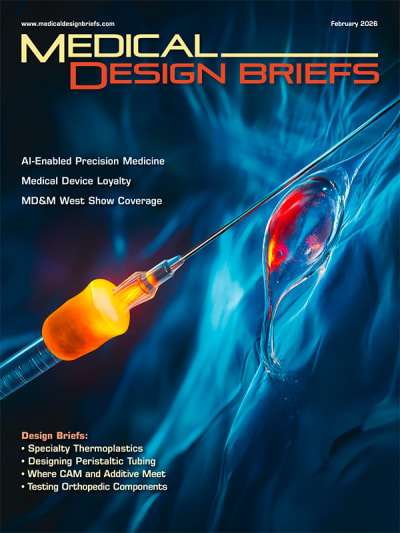
The July 2022 issue of Medical Design Briefs presents a comprehensive overview of advancements and trends in medical device manufacturing, focusing on innovative technologies and their implications for patient care and device design. This edition is particularly notable for its exploration of biologic drugs, engineered extrusions, and automation in manufacturing processes.
Key Highlights:
-
Biologic Drugs and Delivery Challenges: The issue opens with a discussion on biologic drugs, which have transformed treatment options for various diseases by altering the human immune response. These drugs, characterized by high molecular weights (up to 150,000 daltons), pose unique challenges for drug delivery device designers. The high viscosity of biologics affects the injection profile and overall effectiveness of delivery devices. As a result, the motor systems used in these devices become critical components in ensuring efficient and effective drug delivery.
-
Manufacturing System Upgrades: A feature article emphasizes the importance of upgrading manufacturing systems to keep pace with in-house innovations. As medical technology evolves, manufacturers must adapt their processes to enhance efficiency and product quality. The article outlines strategies for selecting appropriate manufacturing systems that align with the latest technological advancements.
-
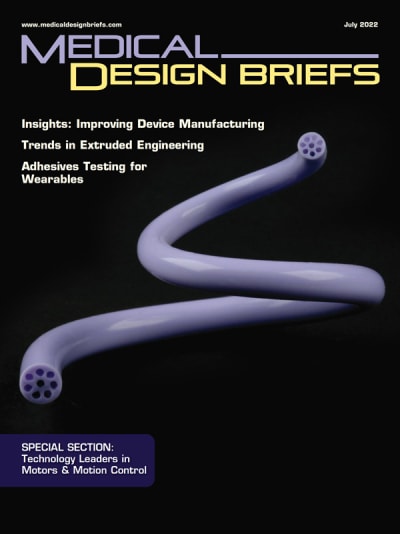
Engineered Extrusions: Another significant topic covered is the trend of engineered extrusions in medical device design. The article discusses how advancements in extrusion technology allow for the creation of complex, multilumen tubes that can incorporate various features such as stops and varying thicknesses. These innovations not only improve the functionality of medical devices but also reduce the total cost of ownership for developers by enhancing component integrity and performance.
Automation in Tubing Manufacturing: The issue also highlights how automation can significantly improve the manufacturing of medical tubing. Automation technologies streamline production processes, reduce human error, and increase output efficiency. This section provides insights into the latest automation trends and their potential impact on the medical device industry.
-
Technological Innovations: The magazine features several notable technological innovations, including:
- Bionic Pacemaker: An article discusses a groundbreaking bionic pacemaker designed to reverse heart failure, showcasing the intersection of technology and patient care.
- Adhesives Testing for Wearables: Another piece delves into the testing of adhesives used in wearable medical devices, emphasizing the importance of durability and reliability in patient applications.
- Joystick-Operated Robot for Stroke Treatment: A feature on a joystick-operated robot illustrates how remote surgical assistance can enhance treatment options for stroke patients, highlighting the role of robotics in modern medicine.
-
Special Section on Motors and Motion Control: The special section dedicated to motors and motion control technologies explores how advanced motor systems are essential for the development of medical devices, particularly in the context of biologic drug delivery. This section provides insights into selecting the right motors to address the unique challenges posed by biologics, ensuring that devices can deliver medications effectively and safely.
-
R&D Roundup and New Products: The issue concludes with a roundup of recent research and development efforts in the medical field, along with a showcase of new products and services that are entering the market. This section keeps readers informed about the latest innovations and trends that could shape the future of medical technology.
Conclusion:
The July 2022 issue of Medical Design Briefs serves as a valuable resource for professionals in the medical device industry, offering insights into the latest trends, challenges, and technological advancements. From the complexities of biologic drug delivery to the benefits of automation and engineered extrusions, this edition highlights the ongoing evolution of medical technology and its impact on patient care. As the industry continues to innovate, staying informed about these developments is crucial for manufacturers, designers, and healthcare providers alike.
Features
-
Articles
6 Finding a Manufacturing System Upgrade to Match In-House Innovation
14 How These Engineered Extrusion Trends Can Improve Device Design and Patient Experience
-
R & D
31 Hybrid Material Enables Next-Gen E-Skin
31 Micro Device Improves IVF Treatment
31 Understanding Titanium’s Biocompatibility
31 Rapid Sensor Chip for Real-Time THO Monitoring
32 Deep UV Lasers for Device Sterilization
32 Pulse Signal Sensor Patch Uses Inkjet Printing Technology
-
Applications
-
Technology Leaders
21 Advanced Motor Technology Enables Medical Exoskeleton for Rehabilitation
23 How to Select Motors to Address Biologic Drug-Delivery Challenges
Tech Briefs
-
33 ‘Bionic’ Pacemaker Reverses Heart Failure
34 Peeling Back the Layers: Adhesives Testing for Wearables
36 Joystick-Operated Robot Could Help Surgeons Treat Stroke Remotely