
Inside this issue
Overview
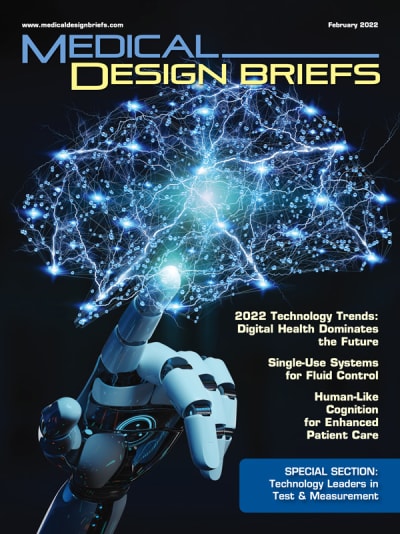
The February 2022 issue of Medical Design Briefs presents a comprehensive overview of the latest advancements and trends in medical technology, focusing on digital health, innovative materials, and the future of biopharmaceutical processing. This issue is particularly relevant as the healthcare industry continues to evolve in response to the challenges posed by the COVID-19 pandemic.
Key Highlights:
-
2022 Technology Trends: Digital Health
The issue opens with a feature on digital health, emphasizing its growing importance in medical development. Digital health technologies have played a crucial role in addressing pandemic-related challenges, enabling caregivers and patients to navigate healthcare more effectively. The integration of telehealth, wearable devices, and mobile health applications is transforming patient care, making it more accessible and efficient. -
Single-Use Systems
Another significant feature discusses the rise of single-use systems in biopharmaceutical processing. These systems are gaining traction due to their ability to reduce contamination risks and streamline production processes. The article highlights how single-use technologies can enhance flexibility and efficiency in manufacturing, ultimately leading to faster delivery of biopharmaceuticals to the market. -
Neural Processing Units
The issue also explores advancements in neural processing units (NPUs) that enable human-like cognition for enhanced patient care. These technologies are designed to improve decision-making processes in healthcare settings, allowing for more personalized and effective treatment plans. The integration of AI and machine learning in NPUs is paving the way for smarter healthcare solutions. Innovative Medical Devices
Several tech briefs showcase cutting-edge medical devices and technologies. Notable innovations include a tiny chip-based device capable of ultrafast modulation of X-rays, which could revolutionize imaging techniques in diagnostics. Additionally, a sustainable solution for 3D printing in healthcare is presented, highlighting the potential for environmentally friendly practices in medical manufacturing.-
Shape-Shifting Materials
The magazine features an article on shape-shifting materials that offer infinite possibilities for medical applications. These materials can adapt to various conditions, making them ideal for use in devices that require flexibility and responsiveness. The potential for these materials to enhance patient comfort and device functionality is significant. -
Biosensors
Another important topic covered is the development of biosensors that can measure toxic drugs in patients with cancer, arthritis, and those undergoing organ transplants. These biosensors represent a significant advancement in monitoring patient health and ensuring the safety and efficacy of treatments. -
Virtual, Cloud-Based Technologies
The issue concludes with a discussion on how virtual and cloud-based technologies are driving the next industrial revolution. The shift from on-premises data centers to virtual solutions is enabling healthcare organizations to improve data management, enhance collaboration, and streamline operations. This transition is crucial for adapting to the rapidly changing landscape of healthcare technology.
Additional Features:
- R&D Roundup: This section provides insights into the latest research and development efforts in the medical field, showcasing innovative projects and collaborations.
- New Products & Services: A roundup of new products and services highlights the latest offerings in medical technology, providing readers with information on the tools and resources available to enhance patient care.
- Advertisers Index: The issue includes an index of advertisers, connecting readers with companies that are leading the way in medical technology.
Conclusion:
The February 2022 issue of Medical Design Briefs serves as a vital resource for professionals in the medical technology field. It not only highlights current trends and innovations but also emphasizes the importance of adapting to new technologies in order to improve patient outcomes. As the industry continues to evolve, staying informed about these advancements is essential for healthcare providers, researchers, and manufacturers alike. This issue encapsulates the spirit of innovation and the commitment to enhancing healthcare through technology, making it a must-read for anyone involved in the medical design and development sector.
Features
-
Articles
4 2022 Technology Trends: Digital Health Marks the Future of Medical Development
10 Single-Use Systems: The Future of Biopharmaceutical Processing
-
R & D
Needle-Free Device Collects Blood Samples
Bioactive Coatings Improve Orthopedic Implants
17 Machine Learning Advances Personalized Medicine
17 Skin Sensors Monitor Health
-
Global Innovations
-
Technology Leaders
13 First, Do No Harm: Changing Strategies to Prove Your Medical Device Is Safe
Tech Briefs
-
19 Tiny Chip-Based Device Performs Ultrafast Modulation of X-Rays
20 A Colorful, Sustainable Solution for 3D Printing in Healthcare
22 Shape-Shifting Materials Offer Infinite Possibilities
23 Silicone Nanochip Can Reprogram Biological Tissue in Living Body
24 Biosensors Measure Toxic Drugs in Cancer, Arthritis, and Organ Transplant Patients
25 How Virtual, Cloud-Based Technologies Are Powering the Next Industrial Revolution
26 DIY Kits Enable Users to Build Their Own Peristaltic Pumps for Microfluidics