
Inside this issue
Overview
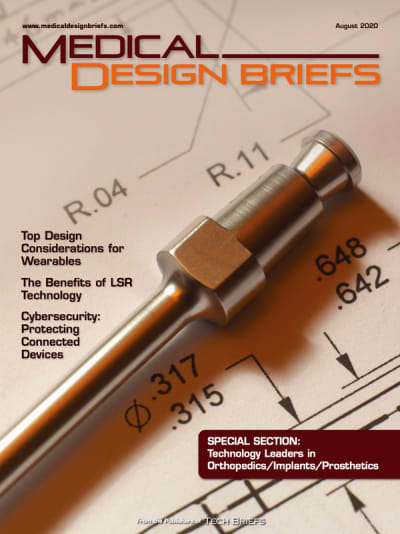
The August 2020 issue of Medical Design Briefs offers a comprehensive exploration of current trends and innovations in medical device design and technology. This edition is particularly focused on the intersection of design, functionality, and safety in the rapidly evolving landscape of medical devices.
Key Highlights:
-
Top Design Considerations for Wearables: The issue opens with an in-depth analysis of the design considerations crucial for wearable medical devices. It emphasizes the importance of user-centric design, which prioritizes the needs and experiences of patients. Key factors discussed include comfort, usability, and the integration of advanced technologies such as sensors and connectivity features. The article highlights how effective design can enhance patient compliance and improve health outcomes.
-
The Benefits of Liquid Silicone Rubber (LSR) Technology: Another significant feature of this issue is the exploration of Liquid Silicone Rubber (LSR) technology. LSR is gaining traction in the medical device industry due to its biocompatibility, flexibility, and durability. The article outlines how LSR can be molded into complex shapes, making it ideal for various applications, including seals, gaskets, and components in devices that require sterilization. The benefits of LSR, such as its resistance to extreme temperatures and chemicals, are discussed, showcasing its potential to improve the longevity and reliability of medical devices.
-
Cybersecurity: Protecting Connected Devices: As medical devices become increasingly connected, cybersecurity has emerged as a critical concern. This issue addresses the vulnerabilities associated with connected medical devices and the importance of implementing robust security measures. The article provides insights into best practices for manufacturers, including the need for regular software updates, secure coding practices, and risk assessments. It emphasizes that ensuring the security of medical devices is not only a regulatory requirement but also essential for maintaining patient trust and safety.
Special Section: Technology Leaders in Orthopedics/Implants/Prosthetics: A special section of the magazine is dedicated to highlighting technology leaders in the fields of orthopedics, implants, and prosthetics. This segment showcases innovative companies and their contributions to advancing orthopedic solutions. It features case studies and interviews with industry leaders who discuss the latest advancements in materials, design, and surgical techniques. The focus is on how these innovations are improving patient outcomes and enhancing the quality of life for individuals with mobility challenges.
-
Market Trends and Insights: The issue also includes a section on market trends, providing valuable insights into the current state of the medical device industry. It discusses the impact of the COVID-19 pandemic on medical device development and the accelerated adoption of telehealth and remote monitoring solutions. The article highlights how companies are adapting to changing market demands and the importance of agility in product development.
-
Regulatory Considerations: Regulatory compliance remains a critical aspect of medical device design and manufacturing. The magazine features articles that outline the latest updates in regulatory requirements, including FDA guidelines and international standards. It emphasizes the need for manufacturers to stay informed about regulatory changes to ensure their products meet safety and efficacy standards.
-
Innovative Materials and Manufacturing Techniques: The issue explores the role of innovative materials and advanced manufacturing techniques in the development of medical devices. Topics such as 3D printing, biocompatible materials, and sustainable manufacturing practices are discussed. The potential of these technologies to reduce production costs and improve design flexibility is highlighted, showcasing how they can lead to more effective and patient-friendly devices.
-
Future Outlook: The magazine concludes with a forward-looking perspective on the future of medical device design and technology. It discusses emerging trends such as artificial intelligence, machine learning, and personalized medicine. The potential for these technologies to revolutionize patient care and enhance the capabilities of medical devices is explored, encouraging manufacturers to embrace innovation and invest in research and development.
Conclusion:
The August 2020 issue of Medical Design Briefs serves as a valuable resource for professionals in the medical device industry. It provides a wealth of information on design considerations, technological advancements, and regulatory challenges, all aimed at improving patient care and outcomes. By focusing on user-centric design, innovative materials, and robust cybersecurity measures, the magazine highlights the critical elements that will shape the future of medical devices. This issue is a must-read for anyone involved in the design, development, and manufacturing of medical technologies, offering insights that can drive innovation and success in the field.
Features
-
Articles
6 Powering Up Medtech’s Modalities: Top Trends and Design Considerations
12 Protecting Patients and Their Data from Cyberattacks Aimed at Their Connected Health Devices
14 LSR Technology: A New Dimension in Design of Medical Devices
35 User Interface Development Tools Speed Time to Market for More Intuitive Products
-
R & D
24 Smart Fabrics Monitor Body by Changing Color
24 Paper-Based Device Analyzes Sweat
24 Wearable Brain Scanner for Whole Head Imaging
24 New Coating Process Lights Porous Electronics and Sensors
25 Stretchable Material for Wearables Operates at Low Power
25 Noninvasive Fetal Oxygen Monitor Could Enable Safer Deliveries
-
Global Innovations
-
From the Editor
-
Technology Leaders
17 High-Reliability Capacitors: Critical Components for Medical Device Implantables
19 Smart Design: How to Develop Your Next Orthopedic Product During the COVID-19 Pandemic
Tech Briefs
-
26 Wearable Patch May Provide New Treatment Option for Skin Cancer
27 Multicolor Super-Resolution Imaging Made Easy
28 Tiny, Magnetically Powered Implant Stimulates Brain Without Battery
30 Engineers Design a Reusable, Silicone Rubber Face Mask
32 Smart Textiles Powered by Soft Transmission Lines