
Inside this issue
Overview
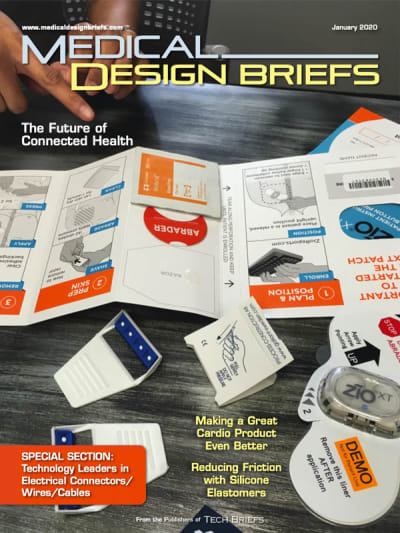
The January 2020 issue of Medical Design Briefs presents a comprehensive overview of the latest advancements and trends in medical technology, focusing on various critical areas that are shaping the future of healthcare. This issue is particularly notable for its special sections that delve into the intricacies of electrical connectors, wires, cables, and the evolving landscape of connected health technologies.
Key Highlights:
-
Technology Leaders in Electrical Connectors/Wires/Cables: This section emphasizes the importance of reliable electrical connections in medical devices. It discusses the latest innovations in connector technology, which are crucial for ensuring the safety and efficacy of medical equipment. The articles highlight how advancements in materials and design are leading to more robust and efficient connectors that can withstand the demanding environments of healthcare settings.
-
The Future of Connected Health: The issue explores the burgeoning field of connected health, which integrates technology with healthcare to improve patient outcomes. It discusses the role of wearable devices, telemedicine, and mobile health applications in monitoring patient health and facilitating remote care. The articles provide insights into how these technologies are transforming patient engagement and enabling healthcare providers to deliver more personalized care.
-
Making a Great Cardio Product Even Better: This feature focuses on innovations in cardiovascular devices, highlighting how manufacturers are enhancing existing products to improve performance and patient safety. It discusses the integration of advanced materials and smart technologies that allow for better monitoring and treatment of cardiovascular conditions. The emphasis is on the importance of continuous improvement in design and functionality to meet the evolving needs of patients and healthcare providers.
-
Reducing Friction with Silicone Elastomers: The issue also covers the use of silicone elastomers in medical device manufacturing. It explains how these materials are being utilized to reduce friction in various applications, leading to improved device performance and patient comfort. The articles detail the properties of silicone elastomers that make them ideal for medical applications, including their biocompatibility, flexibility, and durability.
Market Trends and Insights: Throughout the magazine, there are discussions on market trends affecting the medical device industry. This includes insights into regulatory changes, the impact of emerging technologies, and the growing demand for minimally invasive procedures. The articles provide a snapshot of how these trends are influencing product development and the strategic direction of companies in the medical technology sector.
-
Case Studies and Real-World Applications: The issue features several case studies that illustrate the practical applications of the technologies discussed. These real-world examples demonstrate how companies are successfully implementing innovative solutions to address specific challenges in healthcare. The case studies serve as a source of inspiration for other manufacturers looking to enhance their product offerings.
-
Expert Opinions and Interviews: The magazine includes interviews with industry leaders and experts who share their perspectives on the future of medical technology. These insights provide valuable context for the trends and innovations highlighted in the issue, offering readers a deeper understanding of the challenges and opportunities facing the industry.
-
Subscription and Access Information: For readers interested in staying updated with the latest developments in medical design and technology, the magazine provides subscription information. It outlines the costs for both domestic and international subscriptions, as well as options for digital copies, making it accessible to a wide audience.
Conclusion:
The January 2020 issue of Medical Design Briefs serves as a vital resource for professionals in the medical technology field. With its focus on innovation, market trends, and practical applications, the magazine equips readers with the knowledge needed to navigate the rapidly evolving landscape of healthcare technology. Whether through advancements in electrical connectors or the integration of connected health solutions, this issue underscores the importance of continuous improvement and adaptation in the pursuit of better patient care.
Overall, this edition not only highlights current trends but also sets the stage for future developments in medical design, making it a must-read for industry stakeholders.
Features
-
Articles
8 The Future of Connected Health
16 Making a Great Cardio Product Even Better: The Next-Generation Zio Heart Patch
-
R & D
AI Blood Test Spot Signs of Brain Tumors
34 3D Printed Plastics with High-Performance Electrical Circuits
34 Magnetic Metamaterial Could Improve MRIs
34 Implantable Bioartificial Kidney Achieves Preclinical Milestone
34 Embedding Artificial Muscles into Soft Materials
35 Scientists Replace Metal Collimators with Plastic Analogs
-
Global Innovations
-
Technology Leaders
22 Cost-Effective Interconnects for Autoclaved Medical Devices
24 How to Protect Patients from Potential Electrical Failure
Tech Briefs
-
36 Options for Reducing Friction When Using Silicone Elastomers
38 Low-Field MRI Improves Lung, Cardiac Imaging
39 Good Design Controls Are Critical to Avoiding FDA Issues
41 Active Implants Receives FDA Breakthrough Device Designation for NUsurface Meniscus Implant
42 Injectable, Flexible Electrode Could Replace Rigid Nerve-Stimulating Implants
46 Double-Sided Tape for Tissues Could Replace Surgical Sutures