
Inside this issue
Overview
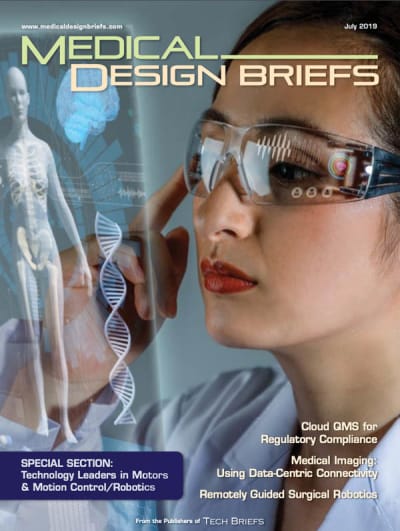
The July 2019 issue of Medical Design Briefs presents a comprehensive exploration of advancements in medical technology, particularly focusing on motors, motion control, and robotics. This edition is designed to inform professionals in the medical design field about the latest innovations and regulatory considerations that are shaping the industry.
Special Section: Technology Leaders in Motors & Motion Control/Robotics
This special section highlights the critical role of motors and motion control systems in medical devices. It discusses how these technologies are integral to the functionality of various medical equipment, including surgical robots and imaging devices. The articles delve into the latest advancements in motor technology, emphasizing precision, reliability, and efficiency.
Key topics include:
-
Advancements in Motor Technology: The issue covers the evolution of motors used in medical devices, focusing on brushless DC motors and stepper motors, which offer enhanced performance and longevity. The benefits of these technologies in terms of energy efficiency and reduced maintenance are also discussed.
-
Robotic Surgery: The magazine features insights into the growing field of robotic-assisted surgeries. It examines how robotic systems improve surgical precision and patient outcomes, as well as the challenges faced in integrating these systems into existing surgical practices.
-
Motion Control Systems: The importance of sophisticated motion control systems in ensuring the accuracy and reliability of medical devices is highlighted. The articles discuss various control algorithms and their applications in real-time systems, which are crucial for the operation of complex medical machinery.
Cloud QMS for Regulatory Compliance
Another significant topic in this issue is the implementation of Cloud Quality Management Systems (QMS) for regulatory compliance. As the medical device industry faces increasing scrutiny from regulatory bodies, the need for efficient and effective quality management systems has never been more critical.
-
Benefits of Cloud QMS: The articles outline how cloud-based solutions can streamline compliance processes, improve data management, and enhance collaboration among teams. The flexibility and scalability of cloud QMS are emphasized, making it easier for companies to adapt to changing regulations.
Case Studies: Real-world examples illustrate how companies have successfully transitioned to cloud QMS, resulting in improved compliance and reduced time to market for new products.
Medical Imaging: Using Data-Centric Connectivity
The issue also explores the transformative impact of data-centric connectivity in medical imaging. As healthcare increasingly relies on data for decision-making, the integration of connectivity solutions in imaging devices is becoming essential.
-
Data Management: The articles discuss the challenges of managing large volumes of imaging data and the importance of robust data management systems. Solutions that enhance data accessibility and security are highlighted, ensuring that healthcare providers can make informed decisions based on accurate and timely information.
-
Interoperability: The need for interoperability among different imaging systems is addressed, with a focus on standards and protocols that facilitate seamless data exchange. This is crucial for improving patient care and enhancing the efficiency of healthcare delivery.
Remotely Guided Surgical Robotics
The magazine features a section on remotely guided surgical robotics, which is revolutionizing the way surgeries are performed. This technology allows surgeons to operate on patients from a distance, providing access to specialized care regardless of geographical barriers.
-
Technological Innovations: The articles cover the latest innovations in remotely guided surgical systems, including advancements in telecommunication technologies and robotic interfaces that enhance the surgeon's ability to perform complex procedures remotely.
-
Patient Outcomes: The potential for improved patient outcomes through minimally invasive techniques and reduced recovery times is discussed, along with the ethical considerations and regulatory challenges associated with this technology.
Conclusion
The July 2019 issue of Medical Design Briefs serves as a vital resource for professionals in the medical design and engineering fields. By focusing on the latest technologies in motors, motion control, robotics, and regulatory compliance, the magazine provides insights that are essential for navigating the rapidly evolving landscape of medical technology.
With contributions from industry leaders and case studies that illustrate successful implementations, this issue equips readers with the knowledge needed to stay at the forefront of medical innovation. Whether you are involved in product design, regulatory affairs, or quality management, the insights shared in this edition will help you understand the trends and technologies that are shaping the future of healthcare.
Features
-
Articles
10 Why Cloud QMS Better Supports Regulatory Compliance
16 Using Data-Centric Connectivity to Drive Innovation in Medical Imaging
-
R & D
30 Laser Diode Based on Organic Semiconductors
30 3D Printed Device Detects Biomarkers of Preterm Birth
30 Engineers Develop More Stable, Efficient Prosthetic Foot
-
Global Innovations
48 Light and Nanotechnology Combined to Prevent Biofilms on Medical Implants
-
Technology Leaders
Tech Briefs
-
32 3D Printed Pipette Tip Lowers Cost of Common Medical Test
34 Coached by Brainwaves, Hearing Device Singles Out Speaker in a Crowd
35 Robotics Motion Control: The Complex Relationship Between Movement and Task
37 Taking Advanced Surgical Robotics Beyond the Surgical Suite
38 Headset Controls: Empowering Disabled People with a Software Tool Suite
40 Researchers Create Soft, Flexible Materials with Enhanced Properties