

Inside this issue
Overview
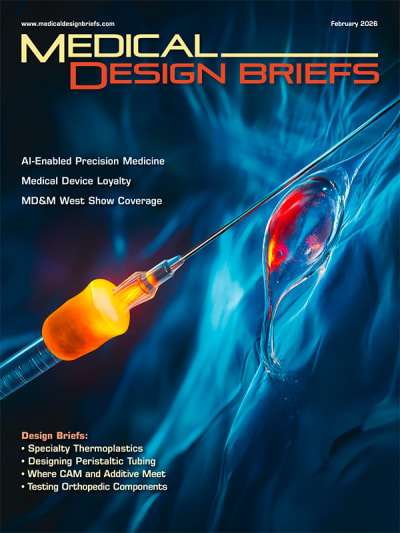
The December 2016 issue of Medical Design Briefs offers a comprehensive overview of current trends, technologies, and innovations in the medical device industry. This edition is particularly focused on the implications of Industry 4.0, advancements in materials, and the importance of regulatory compliance in the design and manufacturing of medical devices.
Key Highlights:
-
Preparing for Industry 4.0: The issue opens with an exploration of Industry 4.0, which represents the fourth industrial revolution characterized by the integration of digital technologies into manufacturing processes. This transformation is expected to enhance efficiency, flexibility, and customization in medical device production. The article discusses how manufacturers can prepare for this shift by adopting smart technologies, such as the Internet of Things (IoT), artificial intelligence, and advanced data analytics. These technologies enable real-time monitoring and predictive maintenance, ultimately leading to improved product quality and reduced downtime.
-
Silicone Adhesives for Medical Devices: Another significant feature focuses on the use of silicone adhesives in medical device applications. Silicone materials are praised for their biocompatibility, flexibility, and durability, making them ideal for various medical applications, including wound care and device assembly. The article delves into the properties of silicone adhesives, their curing processes, and the benefits they offer in terms of performance and patient safety. It also highlights the importance of selecting the right adhesive for specific applications to ensure optimal performance and compliance with regulatory standards.
-
Validating Instructions for Reprocessed Devices: The issue emphasizes the critical need for validating instructions for reprocessed medical devices. As healthcare facilities increasingly rely on reprocessed devices to reduce costs and waste, ensuring that these devices are safe and effective for reuse is paramount. The article outlines best practices for validating reprocessing instructions, including thorough testing and documentation. It also discusses the regulatory landscape surrounding reprocessed devices, emphasizing the need for compliance with FDA guidelines and the importance of maintaining traceability throughout the supply chain.
Traceability in the Supply Chain: A significant theme throughout the issue is the importance of traceability in the medical device supply chain. The ability to track products from production through to end-users is essential for ensuring quality and safety. The magazine discusses how advancements in technology, such as barcoding and RFID systems, facilitate end-to-end traceability. This capability not only enhances transparency but also allows for quicker responses to recalls and adverse events, ultimately improving patient safety.
-
Product Innovations and Trends: The issue features a section dedicated to innovative products and trends in the medical device sector. This includes a spotlight on new materials, such as advanced polymers and composites, that are being developed to meet the demands of modern medical applications. The magazine also highlights emerging technologies, such as 3D printing, which is revolutionizing the way medical devices are designed and manufactured. These innovations are enabling more personalized and efficient healthcare solutions.
-
2017 Product Buyer’s Guide: A valuable resource included in this issue is the 2017 Product Buyer’s Guide, which provides a comprehensive listing of suppliers and manufacturers in the medical device industry. This guide serves as a handy reference for professionals seeking the latest products and services, making it easier to connect with key players in the market.
-
Regulatory Compliance and Quality Assurance: Throughout the magazine, there is a strong emphasis on the importance of regulatory compliance and quality assurance in the medical device industry. Articles discuss the challenges manufacturers face in navigating complex regulations and the need for robust quality management systems. The issue provides insights into best practices for maintaining compliance and ensuring that products meet the necessary safety and efficacy standards.
Conclusion:
The December 2016 issue of Medical Design Briefs serves as a vital resource for professionals in the medical device industry, offering insights into the latest trends, technologies, and regulatory considerations. With a focus on Industry 4.0, innovative materials, and the importance of traceability, this edition equips readers with the knowledge needed to navigate the evolving landscape of medical device design and manufacturing. The inclusion of the 2017 Product Buyer’s Guide further enhances the magazine's value, making it an essential read for anyone involved in the medical device sector.
Features
-
Articles
MDUFA IV: Shorter Review Times, More Consistency, and More Oversight
The Next Industrial Revolution and What It Could Mean for Medical Device Manufacturing
-
R & D
Advanced Imaging Reveals Fetal Brain Activity
Artificial Blood Vessels Support Patients with Heart Defects
4D Imaging Captures Patients' Risk of Stroke
Tech Briefs
-
Motion Capture Technology Brings a New Age of Mobility to Veteran Amputees
The Helping Hand Project: Changing Lives One Hand at a Time
Promising Biomaterial to Build Better Bones with 3D Printing
Toward Visible-Light-Based Imaging for Medical Devices
DARPA Helps Paralyzed Man Feel Again Using a Brain-Controlled Robotic Arm