
Inside this issue
Supplements
Overview
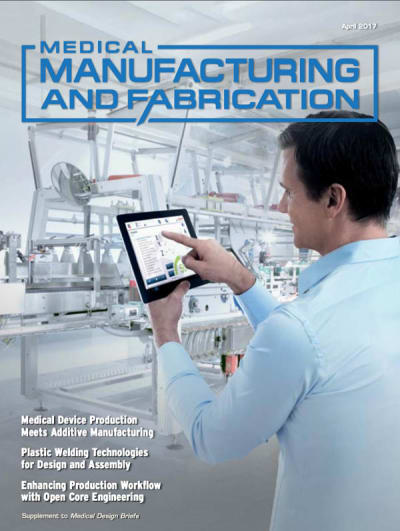
The April 2017 issue of Medical Design Briefs and Medical Manufacturing and Fabrication presents a comprehensive overview of the latest advancements and technologies in the medical device industry. This edition is particularly focused on the intersection of traditional manufacturing processes and innovative techniques, such as additive manufacturing and advanced coating technologies.
Key Highlights:
-
Medical Device Production Meets Additive Manufacturing: The issue explores how additive manufacturing, commonly known as 3D printing, is revolutionizing the production of medical devices. This technology allows for rapid prototyping and customization, enabling manufacturers to create complex geometries that were previously impossible with traditional methods. The article discusses various applications, including patient-specific implants and surgical tools, emphasizing the benefits of reduced lead times and improved patient outcomes.
-
Plastic Welding Technologies for Design and Assembly: Another significant topic covered is the use of plastic welding technologies in the design and assembly of medical devices. The article outlines different welding techniques, such as ultrasonic and laser welding, which are essential for creating strong, reliable joints in plastic components. These methods are particularly valuable in the medical field, where device integrity is critical. The discussion includes case studies demonstrating successful implementations of these technologies in real-world applications.
-
Enhancing Production Workflow with Open Core Engineering: The magazine also delves into the concept of Open Core Engineering, which aims to streamline production workflows in medical device manufacturing. This approach integrates various engineering disciplines and technologies to create a more cohesive and efficient production process. The article highlights how adopting Open Core Engineering can lead to improved collaboration among teams, reduced time to market, and enhanced product quality.
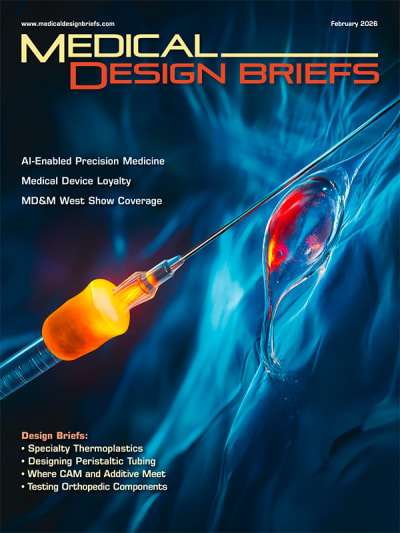
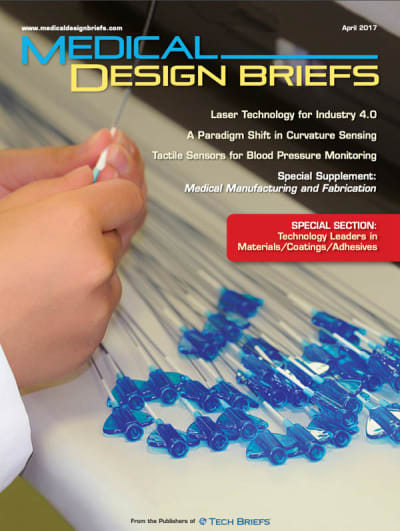
Laser Technology for Industry 4.0: The issue features an article on the role of laser technology in the context of Industry 4.0, which represents the fourth industrial revolution characterized by smart manufacturing and the Internet of Things (IoT). The article discusses how laser systems can enhance precision and efficiency in manufacturing processes, making them ideal for the production of high-quality medical devices. It also touches on the integration of data analytics and automation in laser manufacturing, paving the way for smarter production environments.
-
A Paradigm Shift in Curvature Sensing: Another innovative topic covered is the advancements in curvature sensing technologies. These sensors are crucial for applications such as wearable health monitors and flexible medical devices. The article explains how new materials and designs are enabling more accurate and responsive curvature sensing, which can significantly improve patient monitoring and diagnostics.
-
Tactile Sensors for Blood Pressure Monitoring: The magazine highlights the development of tactile sensors specifically designed for blood pressure monitoring. These sensors provide a non-invasive method for continuous blood pressure measurement, which is essential for managing chronic conditions. The article discusses the technology behind these sensors and their potential impact on patient care.
-
Special Supplement: Technology Leaders in Materials/Coatings/Adhesives: A special section of the magazine is dedicated to showcasing technology leaders in the fields of materials, coatings, and adhesives. This section provides insights into the latest innovations and trends in these areas, which are critical for the development of safe and effective medical devices. The featured companies share their expertise and advancements, highlighting how they are addressing the unique challenges of the medical industry.
Conclusion:
The April 2017 issue of Medical Design Briefs and Medical Manufacturing and Fabrication serves as a valuable resource for professionals in the medical device industry. It not only highlights the latest technological advancements but also provides practical insights into how these innovations can be applied to improve manufacturing processes and patient outcomes. The combination of additive manufacturing, advanced welding techniques, and smart engineering practices represents a significant shift in the way medical devices are designed and produced, ultimately leading to better healthcare solutions.
This issue is a must-read for anyone involved in medical device development, manufacturing, or innovation, as it encapsulates the current trends and future directions of the industry.
Features
-
Articles
Advanced Tactile Sensors Drive the Next Generation of Blood Pressure Devices
Draw-Tower Gratings in Multicore Fiber: A Paradigm Shift in Curvature Sensing
-
R & D
Researchers Grow Stem Cells on a Chip
Skin-Graft System Improves Healing of Chronic Wounds
Non-Invasive Test Detects Bladder Cancer
FDA-Approved Algorithm Detects Hemorrhagic Shock
-
Global Innovations
Virtual Reality in Medicine: New Opportunities for Diagnostics and Surgical Planning
-
From the Editor
-
Technology Leaders
Plasma-Applied Silicone Coatings for the Next Generation of Medical Devices
Adhesives with Additives: Dressings Designed to Deliver Added Value
Tech Briefs
-
Microgel Composite Could Overcome Fibrin Blockade to Accelerate Healing
Bionic Pancreas Passes Critical Science Hurdle
Knitted Stent Unravels for Complete Removal from Patient
Wearable Sensors Created from Biocompatible Hydrogel
Paper-Based Virus Diagnostic Can Be Easily Administered
Engineers Create Artificial Skin That ‘Feels’ Temperature Changes
Sonic Cyber Attack Shows Security Holes in Ubiquitous Sensors