
Inside this issue
Overview
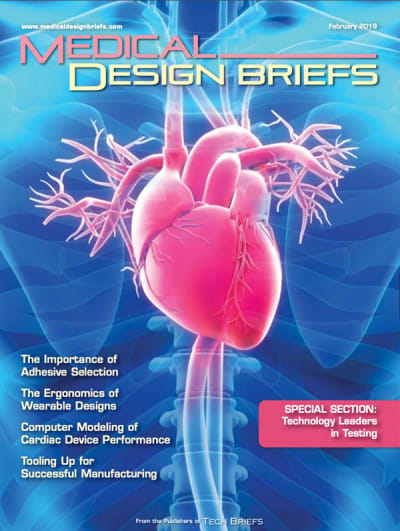
The February 2019 issue of Medical Design Briefs offers a comprehensive exploration of various critical topics in the medical device industry, focusing on advancements in design, technology, and manufacturing processes. This edition is particularly valuable for professionals involved in medical device development, engineering, and regulatory compliance.
Key Features and Articles
-
The Importance of Adhesive Selection: This article emphasizes the critical role that adhesive selection plays in medical device design. It discusses how the right adhesive can enhance device performance, ensure patient safety, and comply with regulatory standards. The piece outlines various types of adhesives, their properties, and considerations for selecting the appropriate adhesive for specific applications, such as biocompatibility and durability.
-
The Ergonomics of Wearable Designs: The first part of a two-part series, this article delves into the ergonomic considerations essential for designing wearable medical devices. It highlights the importance of user-centered design, focusing on comfort, usability, and accessibility. The article discusses how ergonomic design can improve patient adherence and overall satisfaction with wearable health technologies.
-
Investigating Cardiac Device Performance with Computer Modeling and Simulation: This feature explores the use of computer modeling and simulation in the development of cardiac devices. It explains how these technologies can predict device performance, identify potential issues, and optimize designs before physical prototypes are created. The article underscores the significance of simulation in reducing development time and costs while enhancing device reliability.
-
Manufacturing: Tooling Up for Success: This article addresses the manufacturing challenges faced by medical device companies and the importance of effective tooling. It discusses strategies for successful manufacturing, including the integration of advanced technologies and processes that can streamline production and improve product quality. The piece also highlights the need for collaboration between design and manufacturing teams to ensure that devices are not only innovative but also manufacturable.
Special Section: Technology Leaders in Testing
This special section focuses on the critical role of testing in the medical device lifecycle. It features insights from industry leaders on navigating preclinical device testing under the Medical Device Regulation (MDR) and ISO 10993-1 standards. The articles provide guidance on best practices for ensuring compliance and the importance of thorough testing to guarantee device safety and efficacy.
Tech Briefs
The issue also includes several tech briefs that highlight innovative technologies and research in the medical field:
Noninvasive Technology Detects When Nerve Cells Fire: This brief discusses a groundbreaking noninvasive technology that can monitor nerve cell activity, potentially leading to advancements in neurological diagnostics and treatments.
-
Predicting Leaky Heart Valves with 3D Printing: This article explores the use of 3D printing to create models that can predict the performance of heart valves, aiding in the design of more effective cardiac devices.
-
Electronic Glove Gives Robotic Hand Sense of Touch: This brief presents an innovative electronic glove that enhances the tactile feedback of robotic hands, improving their functionality in medical applications.
-
Miniaturizing Smart Wearables for Fitness and Activity Tracking: This article discusses the trend of miniaturizing wearable devices, making them more user-friendly and effective for health monitoring.
-
Promising Diagnostic Tool for Alzheimer’s Disease Identified: This brief highlights a new diagnostic tool that shows promise in the early detection of Alzheimer’s disease, which could significantly impact patient outcomes.
-
Using Graphene to Detect ALS and Other Neurodegenerative Diseases: This article discusses the potential of graphene-based technologies in the detection of amyotrophic lateral sclerosis (ALS) and other neurodegenerative diseases, showcasing the intersection of materials science and medical diagnostics.
Departments and Additional Content
The issue also features a variety of departments, including R&D Roundup, New Products & Services, and Advertisers Index, providing readers with updates on the latest innovations and offerings in the medical device sector. The Global Innovations section highlights international advancements and trends, ensuring that readers are informed about the global landscape of medical technology.
Conclusion
Overall, the February 2019 issue of Medical Design Briefs serves as a valuable resource for professionals in the medical device industry. With its focus on adhesive selection, ergonomic design, advanced manufacturing techniques, and the latest technological innovations, this edition equips readers with the knowledge and insights necessary to navigate the complexities of medical device development and ensure successful outcomes in their projects. The combination of in-depth articles, tech briefs, and expert insights makes this issue a must-read for anyone involved in the design and manufacturing of medical devices.
Features
-
Articles
08 Medical Device Design: The Importance of Thoughtful Adhesive Selection
12 The Ergonomics of Wearable Designs: Part 1
16 Investigating Cardiac Device Performance with Computer Modeling and Simulation
-
R & D
38 E-bandage Generates Electricity, Speeds Wound Healing
38 New ‘Smart’ Material Has Potential Biomedical Applications
38 3D Printed Biosensor Could Improve Glucose Monitors
38 New Tool Offers Speedy Diagnosis of Bacterial Infections
39 Inkjet-Printed Biosensor Offers Less-Invasive Breast Cancer Detection
-
Global Innovations
-
From the Editor
From the Editor — Giving the 510(k) Pathway a Much-Needed Makeover
From the Editor — Reimagining Digital Health Devices: FDA’s New Precertification Model
-
Technology Leaders
Tech Briefs
-
40 Noninvasive Technology Detects When Nerve Cells Fire
41 Predicting Leaky Heart Valves with 3D Printing
45 Electronic Glove Gives Robotic Hand Sense of Touch
46 Miniaturizing Smart Wearables for Fitness and Activity Tracking
49 Promising Diagnostic Tool for Alzheimer's Disease Identified
50 Using Graphene to Detect ALS and Other Neurodegenerative Diseases