

A low-cost, portable biosensor can quickly identify a protein whose altered levels are associated with psychiatric disorders, such as depression, schizophrenia, and bipolar disorder. When it becomes commercially available in the future, it may contribute to early detection, which is essential for treating and monitoring patients’ clinical conditions.
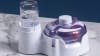
The biosensor consists of a flexible strip with electrodes that, when integrated with a portable analyzer, evaluates drops of human saliva. In less than three minutes, it provides the concentration of BDNF (brain-derived neurotrophic factor), a protein crucial for the growth and maintenance of neurons and the development of brain functions, including learning and memory.
The research shows that the device can reliably measure extremely low concentrations of the protein in a wide range of saliva (from 10-20 to 10-10 grams per milliliter), down to minimal amounts that are still detectable (1.0 × 10⁻²⁰ grams per milliliter).
The biosensor has an estimated cost of US$2.19 per unit — less than R$12.00 at the current exchange rate — and long-term storage capacity. According to the scientists, the next step is to obtain the patent. (Image credit: Amanda H. Imamura/Sci Illustrations)
For more information, visit here .