
A new smartphone microscope uses video to automatically detect and quantify parasites in a drop of blood. The CellScope technology, developed by UC Berkeley engineers, could revive efforts to eradicate debilitating filarial diseases in Africa.
The device combines imaging technology with hardware and software automation. Instead of molecular markers or fluorescent stains, the CellScope uses motion to detect the movement of worms.
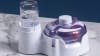
For the latest generation of the mobile phone microscope, named CellScope Loa, the researchers paired a smartphone with a 3D-printed plastic base; the sample of blood is positioned on the plastic platform. The base includes LED lights, microcontrollers, gears, circuitry, and a USB port.
With a touch of the screen, the phone communicates wirelessly via Bluetooth to controllers in the base; the sample of blood is then processed and analyzed. Gears move the sample in front of the camera, and an algorithm automatically analyzes the telltale “wriggling” motion of the worms in video captured by the phone. The worm count is then displayed on the screen.
CellScope Loa can quantify levels of the Loa loa parasitic worm directly from whole blood in less than 3 minutes. The researchers are now expanding the study of CellScope Loa to about 40,000 people in Cameroon.