
The European Space Agency (ESA) has adapted a high-speed camera to detect changes in human skin cells. Developed for ESA by the Belgian company Xenics, the Proba-V camera allows the small satellite to build a full picture of the planet’s flora every two days.
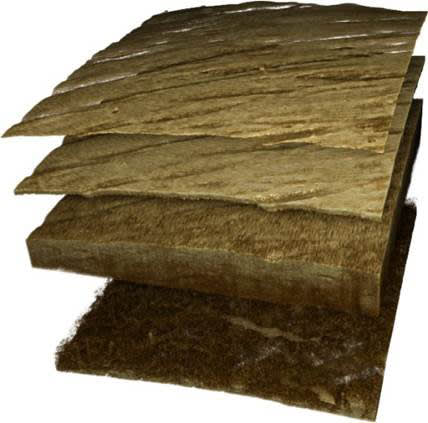
Mounted on a standard medical scanner, the space sensor can also help doctors to look deeper into human tissues for monitoring skin diseases.
The digital infrared sensor from ESA’s Proba-V vegetation-scanning satellite, in fact, is being used for several non-space applications, including machine vision and solar cell production.