
A team of researchers from UCLA and the University of Michigan, Ann Arbor, has developed a material that could help prevent blood clots associated with catheters, heart valves, vascular grafts, and other implanted biomedical devices.
Blood clots at or near implanted devices may occur when the natural flow of nitric oxide generated in blood vessels is cut off. The researchers concentrated on an ultra-thin coating for devices that acts as a chemical catalyst, generating clot-preventing molecules that can mimic the function of blood vessels, which, they say, could offer a long-lasting and cost-effective solution to prevent these clots.
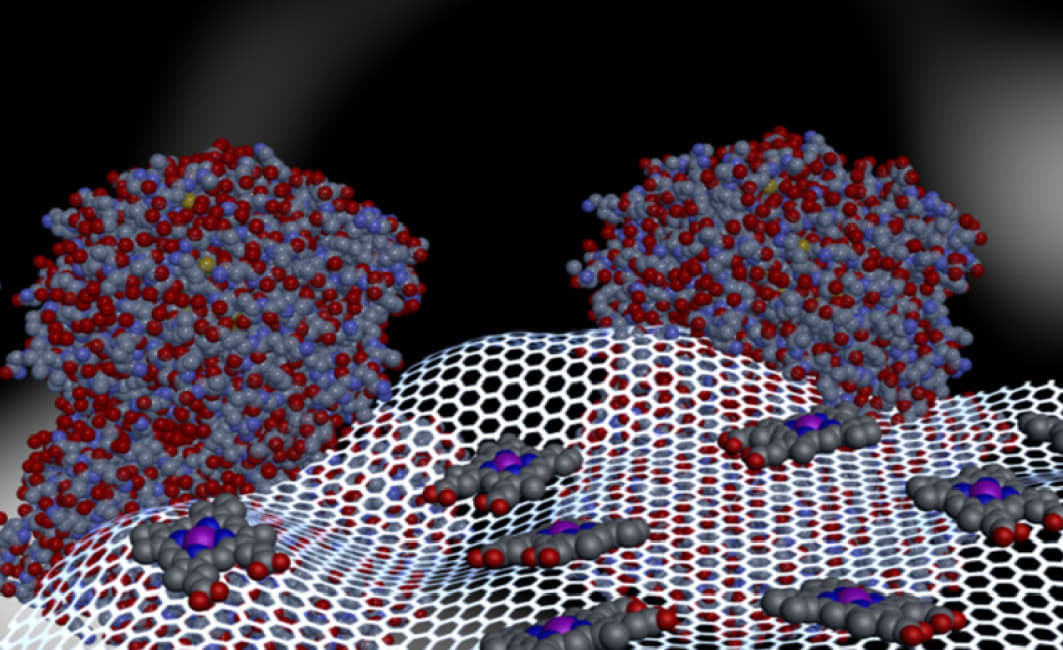
For the coating, they used sheets of graphene, a one-atom-thick layer of graphitic carbon, into which they integrated two components: haemin and glucose oxidase. Both work to catalyze the production of nitroxyl, which can be used inside blood like nitric oxide, although it contains one less electron. Nitroxyl was reported as being analogous to nitric oxide in its clot-preventing capability.
This may have applications in a wide range of biomedical device coatings.