
Longtime cochlear implant users are reporting dramatic improvements in their hearing, thanks to new image-guided programming methods developed by researchers at Vanderbilt University, Nashville, TN. Using a patent-pending nonsurgical process, audiologists can fine-tune and customize cochlear implant programming, providing improved sound quality and clarity.
Cochlear implants use up to 22 electrodes, depending on the device manufacturer. Although the implanted electrodes can be seen on a CT scan, the nerve cells they stimulate are not easily identified due to their locations and size. Traditionally, all the electrodes are turned on and programmed to stimulate any surrounding nerve cells, which can result in less than clear hearing when adjacent electrodes stimulate the same region of nerve cells.
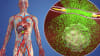
Vanderbilt's research included determining a method of locating spiral ganglion nerve cells by mapping the corresponding external cochlear anatomy using a statistical shape model and to determine the position of the electrodes in relation to nerve cells. Next, was to develop a technique that would use the information to generate a customized plan for cochlear implant programming that could be implemented by audiologists.
The new automatic technique uses patients' pre- and post-operative CT scans to determine the location of the implanted electrodes and where overlap is occurring, possibly causing interference in the transmission of signals. The image-guided strategy and software pinpoint which electrodes can be turned off without loss of hearing fidelity. An audiologist uses this programming plan to create a revised custom map for that person's needs. The process is completely noninvasive and can be accomplished in one office appointment.