
For years, researchers and patients have been dreaming of an insulin pill that could save diabetics from frequent injections. But the fact that digestive acids in the stomach destroys the insulin before it can enter the bloodstream has been a major obstacle until now. In Coimbra a team of Portuguese researchers have overcome that obstacle with the development of a biodegradable polymer-based nanoparticle.
Transcript
00:00:01 [Applause] [Applause] science all over the world scientists are using nanotechnology to create new treatments for diabetes let's have a look at two different European projects that could help change the life of Millions for years researchers and
00:00:21 patients have been dreaming of an insulin pill that could save diabetics from frequent injections but the fact that acids in the stomach destroys the insulin before it can enter to the bloodstream has been a major obstacle but now in qura a team of Portuguese researchers have overcome that problem with the development of a biodegradable polymer-based nanop
00:00:44 particle the main challenge scientists face now surrounds the size and the strength of the pill the insulin molecule has to be strong enough to resist the environment of the stomach and at the same time small enough to be absorbed in the intestine using the new nanop particle created at kber University the in and pass through the intestine of around 30% of rats
00:01:04 tested the research has been conducted for about 10 years we have discovered the mechanism of the passage of orally administered insulin into the blood in these recent studies we were able to have a good bioavailability of around 30% of oral insulin while in the previous research it was no more than 5% after the test in rats the
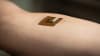
00:01:31 nanoparticles will be tested in bigger animals and then it will move into late stage a more accurate clinical testing scientists believe these much anticipated pills will be on the market in less than 10 years this little pad with scores of needles is another nanotechnology that could change the way diabetics live each micro needle contains its own
00:01:52 sophisticated sensor or Nano wire which is completely invisible to the naked eye the technology allows the blood to be constantly collected and analyzed the research is being conducted at Swansea university in England the length of the needles is about 1 mm and is having a diameter of about uh 50 microns and and that offer a penous experience to the patient uh when when using it this
00:02:19 needles will be attached to the arm of the patient and blood sample will be drawn uh using these micro needles and the sensors which is developed using the wires technology will be integrated into the micro needers and that offer a a painless uh detections of the BR glucose and the continuous monitoring of BR glod the team is now in the middle of developing a transmitter that will send
00:02:50 an SMS message to a hospital or to relatives as soon as a patient is at risk of a hypoglycemic attack the longer term potential for continuous blood glucose monitoring it's really very exciting indeed um because if one if a patient was to wear this 24 hours a day it would be an enormous benefit in in terms of uh understanding the way that their blood glucose
00:03:12 responds to what they eat and what they do during the day and potentially could have a have a a role in uh perhaps alterating the um the uh the introduction of insulin into the bloodstream which is the mechanism which is used naturally to to moderate more glucose this new technology is expected to improve the lives of the 366 million type 1 and type 2 diabetics worldwide
00:03:36 the World Health Organization believes the number of diabetes cases will have doubled by 2030