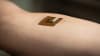

Implanted medical devices such as glucose-level sensors, pacemakers, catheters, and others add quality of life, deliver lifesaving medicine, or protect the lives of patients who need them - but those same devices are at risk from the patients themselves. "One of the biggest problems with any kind of implanted device is the body's natural reaction to recognize it as foreign and form a scar around it," said Stuart Williams, PhD, scientific director of the University of Louisville/ Jewish Hospital's Cardiovascular Innovation Institute (CII). Scars, he explained, limit blood flow, and a limited blood supply compromises the function of implanted devices over time. If a device does not function properly, a person's health is at risk.
Williams, along with CII director of cardiovascular therapeutics James Hoying, is part of a team that has found a way to protect implanted devices. They have engineered a unique system of blood vessels to interact with the tissue surrounding such devices and prevent scarring. In a study using animal models, the researchers suspended tiny blood vessel fragments in a collagen gel around devices just before implanting them. They call this a microvascular construct (MVC). Collagen is a naturally occurring protein in the flesh and connective tissue of animals and humans that provides an environment that resists the formation of scar tissue around the implanted device. Formation of scar tissue was restricted, and the number of white blood cells that stimulate inflammation in the implant area was reduced. Blood vessels in the implant area were able to sustain good blood flow over time, indicating that implanted devices might work better for a longer time.
Click here for the full story .