
Medical Robotics - April 2022
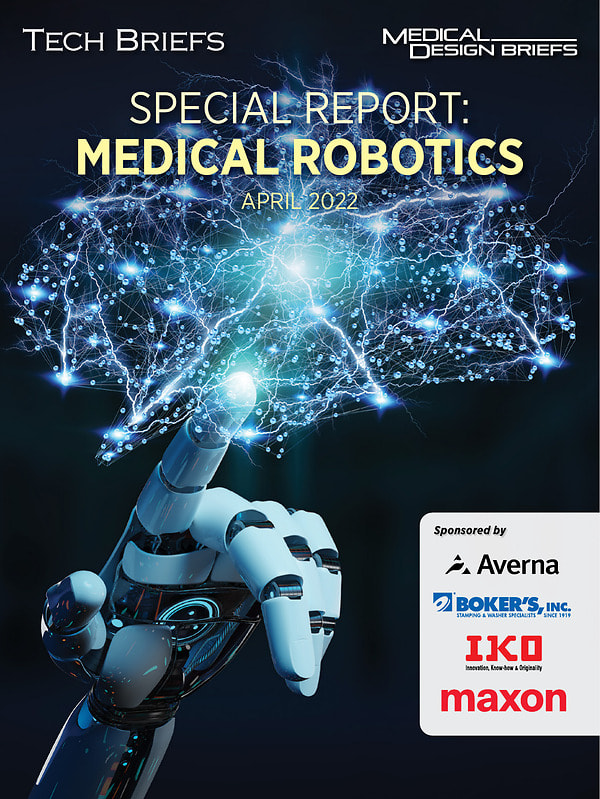
Novel biosensors set to revolutionize brain-controlled robotics...micro-robots propelled by air bubbles...a smart artificial hand...major advances in exoskeleton technology. These are just a few of the medical robotics innovations you'll read about in this compendium of recent articles from the editors of Medical Design Briefs and Tech Briefs magazines.
Don't have an account?
Overview
The April 2022 Special Report on Medical Robotics presents a comprehensive overview of the latest advancements in the field, focusing on how these innovations are transforming surgical practices and patient care. The report emphasizes the growing importance of robotic-assisted surgeries, which enhance precision and reduce the invasiveness of procedures, ultimately leading to better patient outcomes.
One of the key features discussed is the advancement of minimally invasive device design. These devices allow surgeons to perform complex procedures with greater accuracy and less trauma to the patient. The report highlights the role of specialized tools and the expertise required from surgical teams, including robotic procedure specialists and interventional radiologists, to navigate the challenges posed by limited visibility and range of motion during surgeries.
The TWIICE exoskeleton is another significant topic covered in the report. This innovative device is designed to assist individuals with paraplegia, helping them regain mobility and independence. The exoskeleton's design allows for easy insertion and use, providing support for activities that would otherwise require assistance. The emotional and social implications of paraplegia are also addressed, underscoring the importance of such technologies in improving the quality of life for affected individuals.
The report also delves into various technological innovations, including bendable robot arms guided by augmented reality, which enhance the capabilities of surgeons during procedures. Additionally, it discusses the development of 3D robotic spine models that offer new ways to preview surgical interventions, allowing for better planning and execution.
Novel biosensors are highlighted as a potential game-changer in brain-controlled robotics, enabling more intuitive control of robotic devices by patients. The report also explores the fascinating world of micro-robots, which can be propelled by air bubbles and ultrasound, showcasing their potential for targeted drug delivery and other medical applications.
Self-propelled nanorobots are another exciting area of research mentioned in the report. These tiny robots can navigate through complex environments, such as human tissue, to deliver drugs or remove pollutants, demonstrating the scalability and versatility of nanotechnology in medicine.
The integration of artificial intelligence and wearable cameras in self-walking robotic exoskeletons is also discussed, illustrating how these technologies can work together to enhance mobility for individuals with disabilities.
Overall, the Special Report on Medical Robotics provides a detailed look at the current state of the field, highlighting the innovative technologies that are shaping the future of surgery and rehabilitation. It emphasizes the potential of robotics to not only improve surgical outcomes but also to significantly enhance the quality of life for patients with mobility challenges. As these technologies continue to evolve, they promise to revolutionize the way medical professionals approach treatment and patient care, paving the way for a new era in healthcare.