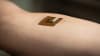

A biosensing platform from Florida Atlantic University could be used to diagnose disease, remotely monitor patients, and determine treatment options for HIV, E-coli, Staphylococcus aureas, and other bacteria. Using a drop of blood from a fingerprick, the platform provides clinically relevant specificity, sensitivity, and detection of pathogens.
To detect bioagents in whole blood, serum, and peritoneal fluid, cellulose paper and flexible polyester films were incorporated with electrical and optical sensing modalities. The new materials can be widely applied to a variety of settings, such as medical diagnostic and biology laboratories.
Because the materials are easy to make, use, and safely dispose of, they provide appealing ways to create affordable tools in developing countries. Other applications include drug development, food safety, environmental monitoring, veterinary medicine, and diagnosis of infectious disease.
The researchers have also developed a phone app that could detect bacteria and disease in the blood, using images from the mobile device.