
News: Wearables

News: Medical

News: Test & Measurement

News: Research Lab
News: Defense

News: Aerospace

News: Research Lab

News: Medical

News: AR/AI

News: Medical

News: Medical

News: Packaging & Sterilization

News: AR/AI

News: Design
News: Medical

News: Materials

Blog: Design
News: Materials

News: Medical

News: Manufacturing & Prototyping

News: Medical

News: Medical
Blog: Aerospace

News: Design

News: Materials
News: Regulations/Standards

News: Design

NASA Spinoff: Medical

News: Manufacturing & Prototyping

Top Stories
 INSIDER: AR/AI

MD&M West Keynote: AI Without the Hype: Real Results in Manufacturing
 INSIDER: Design

MD&M West Keynote: Disrupting the Status Quo: Are We Innovating or Just...
 Features: Medical

Engineering for the Future: The Trends Transforming Medtech in 2026
 INSIDER: Manufacturing & Prototyping

MD&M West Presentation: How Intelligent Product Lifecycle Management...
 Podcasts: Medical

How Wearables Are Enhancing Smart Drug Delivery
 Features: Medical
Inside the OEM: Medtronic’s Growth and Next Wave of Innovation
Ask the Expert
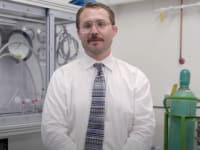
Eric Dietsch on the Benefits of Nitinol Wire

In collaboration with the Fort Wayne Metals Engineering team, Eric Dietsch focuses on supporting customers with material recommendations, product development, and education. Eric is available to help you and your company with any Nitinol-related questions or needs that you may have.
Webcasts
 Podcasts: Design

Surgical & Assistive Robotics: Redefining Human Capability
Podcasts: Medical
How Wearables Are Enhancing Smart Drug Delivery
 Podcasts: Design

Developing Sustainable Drug-Delivery Devices
 Podcasts: Medical

Smarter Pathways for Precision Drug Delivery in Cancer Care
 On-Demand Webinars: Communications

Understanding Testing and Compliance Requirements for Wireless Medical Devices
 Podcasts: Medical

Inside Story
Inside Story: Trends in Packaging and Sterilization

Eurofins Medical Device Testing (MDT) provides a full scope of testing services. In this interview, Eurofins’ experts, Sunny Modi, PhD, Director of Package Testing; and Elizabeth Sydnor, Director of Microbiology; answer common questions on medical device packaging and sterilization.